Latest F&B Packaging Design Trends

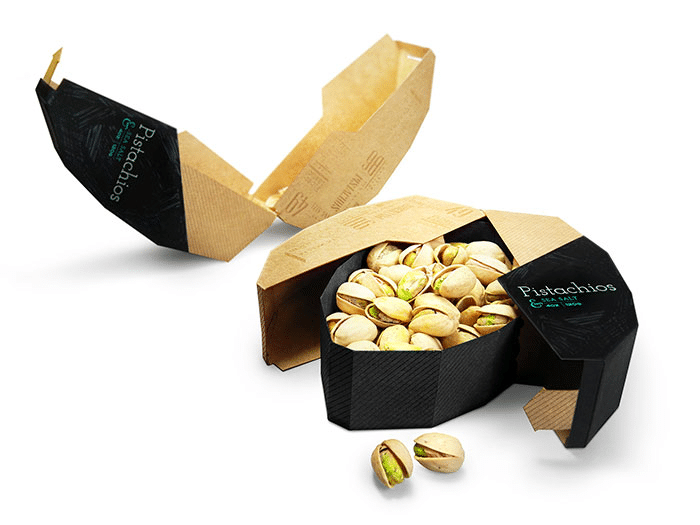
    In the fast-paced world of food and beverage, staying ahead of design trends is a crucial need for our clients, as their product branding needs to constantly capture consumer attention. As we move through 2024, we have seen several design trends emerging and shaping the industry, you will be able to guess some of them, and maybe raise an eyebrow at others, here is a look at what design trends are here and making waves in the industry.

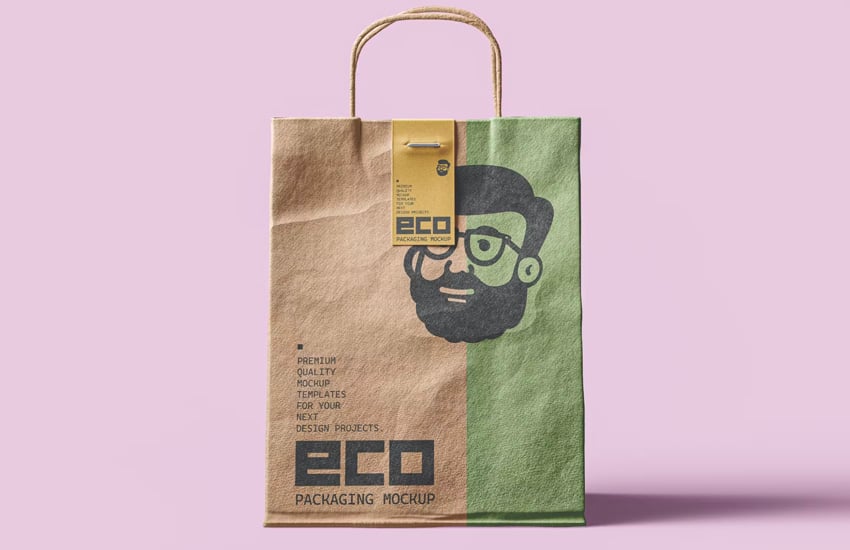
    1. Sustainable Packaging

    No surprises here, sustainability continues to be a dominant trend, driven by increasing consumer awareness about environmental impact, the ‘how to’ become more sustainable starts at the design phase, three main trends we are seeing across the boards are…

    • Biodegradable Materials: Designers are turning to materials like paper, cardboard, and plant-based plastics that are easy to recycle or compost, these materials are not only reducing waste but also appealing to more and more shoppers.
    • Refillable and Reusable Packaging: We are being encouraged more and more to reuse our packaging, glass bottles and sturdy containers are now being designed for multiple uses, I used to make around £1 a week collecting empty glass bottles and taking them back to my local shop for them to refill, have we now travelled full circle?
    • Transparent Sustainability Messaging: Effectively designed packaging sells, by promoting clear and honest sustainability communication about the environmental impact of packaging and sourcing practices helps build trust with consumers nowadays, this is a major design shift which will help products sell, shoppers do now actually care about this important issue.

    2. Minimalist and Clean Design

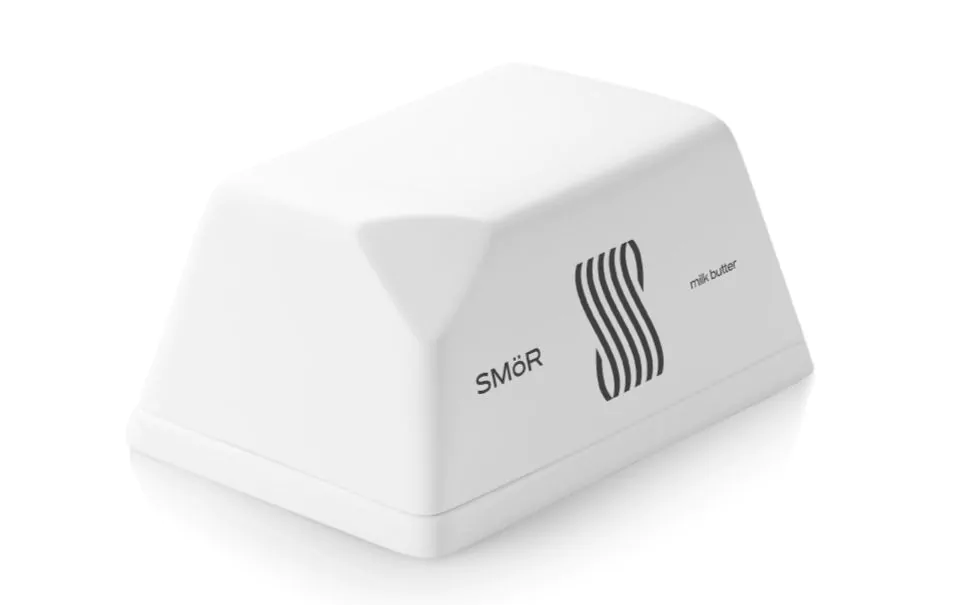
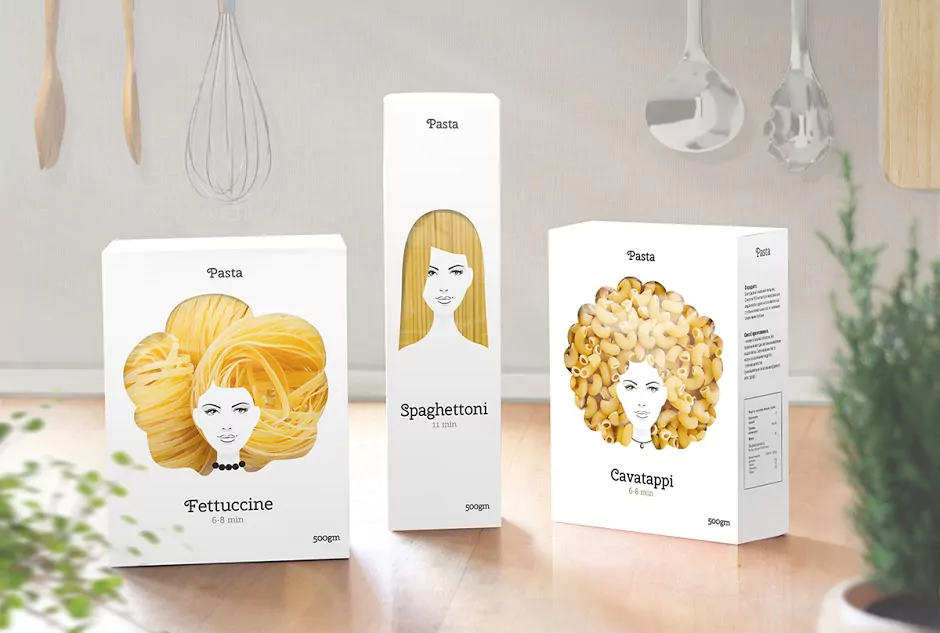
    Modern packaging design is now using the ‘simplicity is key’ mantra to its look and feel, the rationale behind the design shift is our insights are telling us, it communicates sophistication and quality, which makes it stand out from the crowd.

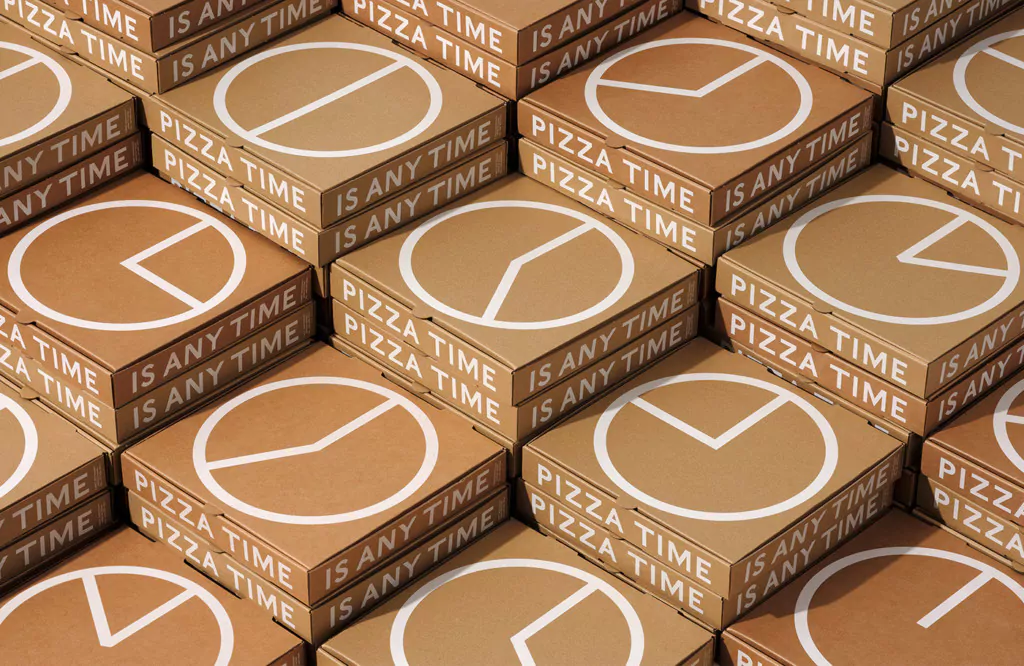
    • Simple Design: Less is more, clean lines win over clutter, white space create a more refined look. Thus approach will make the product you are selling look premium, quality and more refined.
    • Quality Ingredients: Highlighting the origins and purity of ingredients through minimalist design, reinforces the brand’s commitment to quality and health.
    3. Vintage and Retro Design Styles

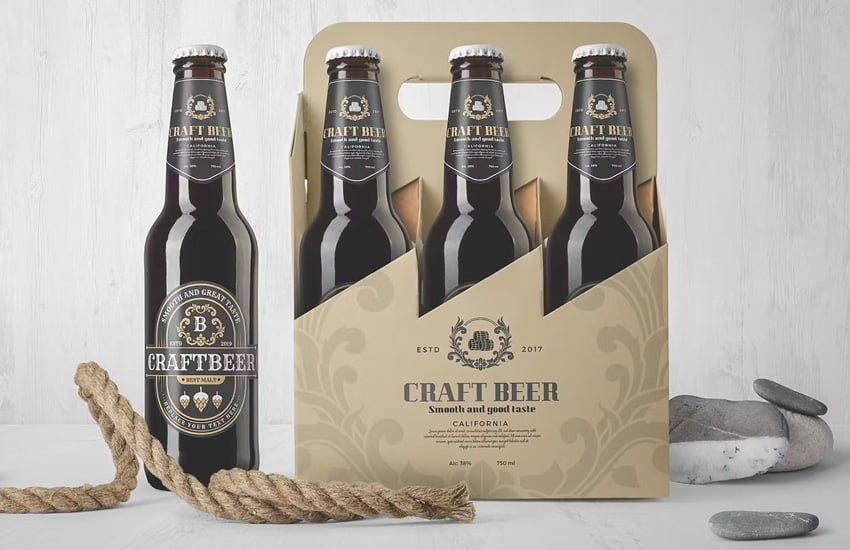
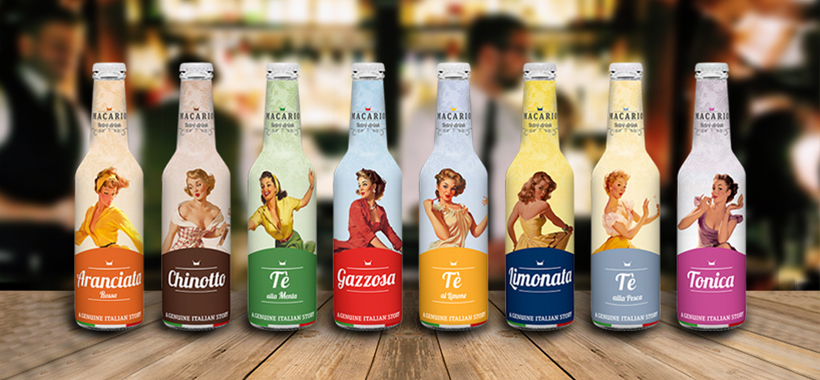
    Nostalgia is a powerful design tool, vintage and retro design elements always evoke a sense of authenticity and timelessness.

    • Nostalgic Elements: Vintage fonts, colour schemes, and imagery transport shoppers to times gone by, we often think and comment things were better back then, its just human nature, using this design trend creates an overall sentimental connection.
    • Retro Shapes: Classic packaging and graphic shapes and styles promote the nostalgic appeal and can stand out in a market dominated by modern designs, which is why we use them.
    4. Bold and Bright Colours

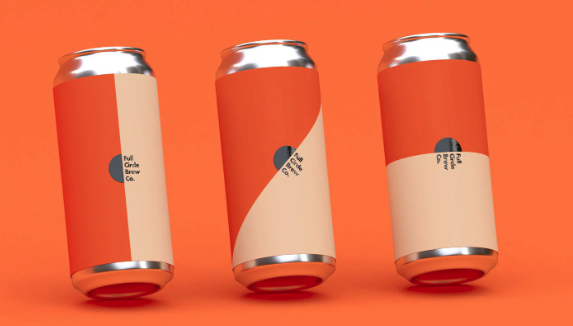
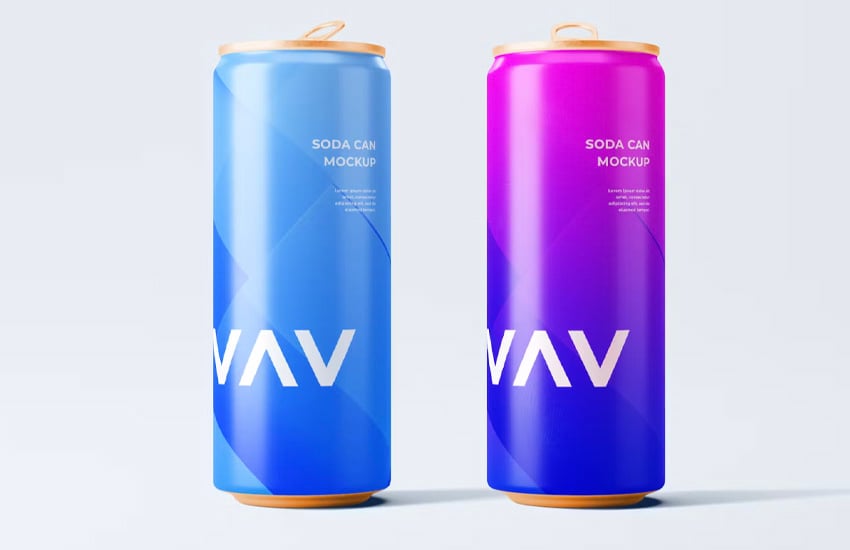
    The F&B market is just so competitive, bold and bright colours have always been an essential design element for grabbing shopper attention, the boldness go colour is becoming braver and more noticeable.

    • Vibrant Colours: Eye-catching, stand out vibrant colours make products leap out and appeal to younger, trend-conscious shoppers.
    • Contrasting Colours: High-contrast color combinations create visual impact and enhance brand recognition on shelf and in the kitchen cupboards.

    5. Handcrafted and Artisan

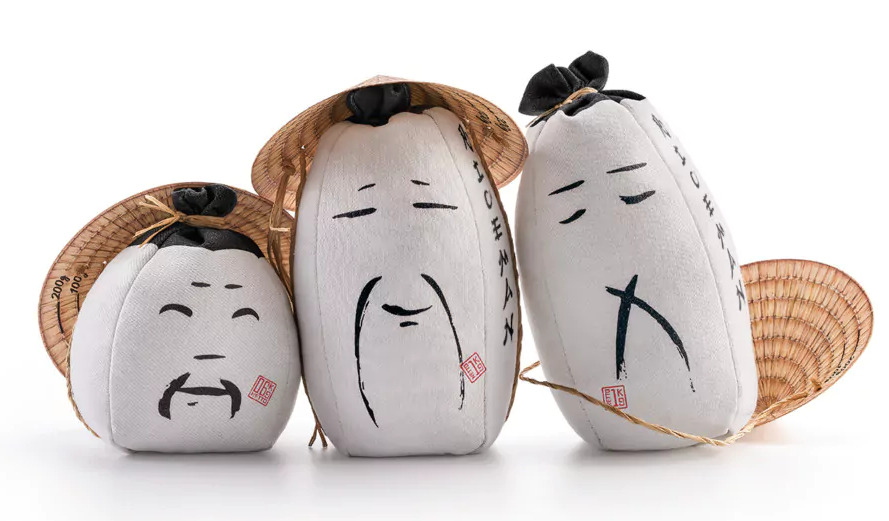
    Shoppers have always valued authenticity and craftsmanship, hand drawn illustrations are making a strong comeback.

    • Hand-Drawn Illustrations: Incorporating hand-drawn elements and illustrations into design gives the outcome a personal touch, makes the product looked loved and unique.
    • Textured and Natural Finishes: Textured materials and natural finishes enhance the tactile experience, making the product feel special and more handcrafted.

    6. Transparency and Honesty

    Two critical components we see in latest designs as they help build shopper trust.

    • Ingredient Transparency: Clearly labeled ingredients and nutritional information help shoppers make informed choices.
    • Authentic Storytelling: Sharing the brand’s story, values, and sourcing practices directly on the packaging creates a deeper connection with consumers.

    7. Customisation

    Personalised packaging creates a unique consumer experience and fosters brand loyalty as well as looking great.

    • Customizable Labels: Allowing customers to personalize packaging with names or messages adds a special touch.
    • Limited Editions: Offering limited-edition packaging designs creates a sense of exclusivity and urgency, appealing to collectors and brand enthusiasts.

    8. Cultural and Regional Influences

    Drawing inspiration from local cultures and traditions can make a brand more relatable and authentic.

    • Local Inspirations: Designs inspired by local art, culture, and traditions help brands connect with regional consumers.
    • Global Fusion: Combining elements from different cultures creates a unique and diverse aesthetic that appeals to a broad audience.
    9. Functional and Ergonomic Design

    Practicality is key to a successful packaging design. Functional and ergonomic designs improve the consumer experience.

    • Easy-to-Open Packaging: User-friendly packaging that is easy to open, close, and store enhances convenience.
    • Portability: Designing packaging for on-the-go consumption caters to busy, modern lifestyles.

    10. Health and Wellness Focus

    With health and wellness becoming a priority, packaging designs that convey these values are gaining popularity.

    • Clean and Healthy Imagery: Imagery and colors that suggest healthiness, such as greens and natural motifs, attract health-conscious consumers.
    • Functional Benefits: Highlighting health benefits and functional ingredients prominently on the packaging communicates the product’s value.

    11. Digital and Social Media Integration

    Integrating digital elements and social media into packaging design encourages consumer interaction and engagement.

    • Social Media Handles and Hashtags: Including social media information encourages online engagement and sharing.
    • User-Generated Content: Featuring user-generated content or reviews on the packaging builds community and trust.
    Conclusion

    The latest food and beverage design trends reflect a dynamic blend of sustainability, simplicity, nostalgia, boldness, and technological innovation. By embracing these trends, brands can create packaging that not only stands out on the shelves but also resonates deeply with consumers’ values and lifestyles. As the industry continues to evolve, staying attuned to these trends will be key to maintaining relevance and driving brand loyalty.

    University Food Counters & Outlets

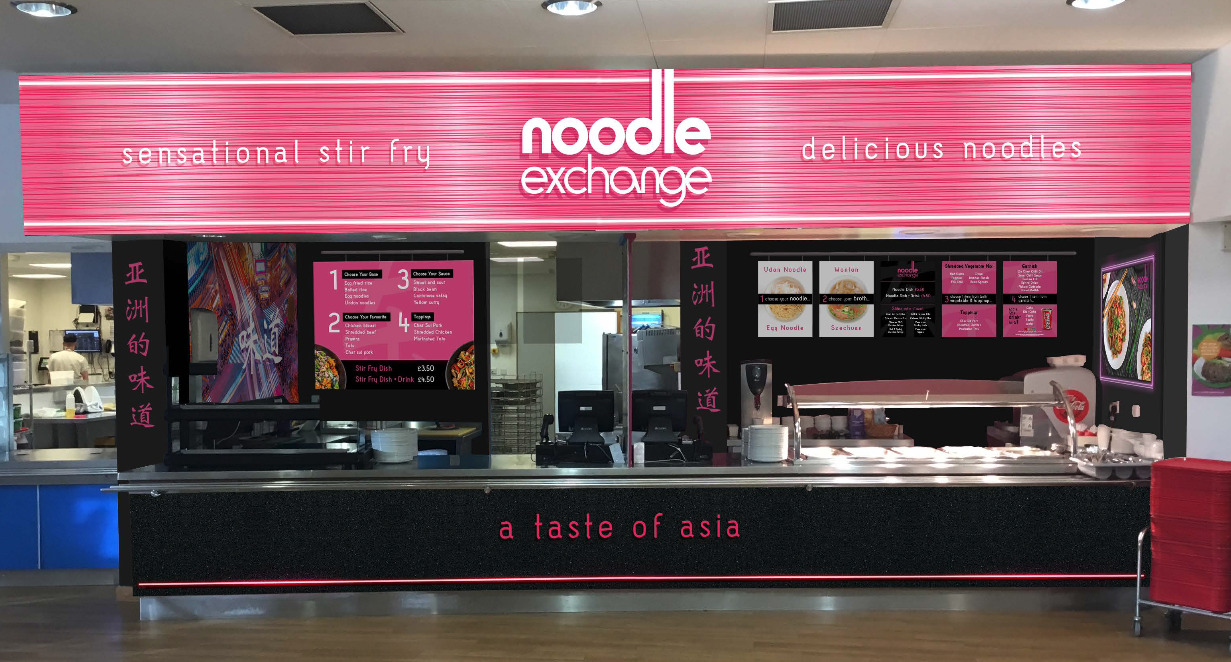
    When you are designing a look and feel for a food counter, it is important that the first visual impressions transport you away from your day and make you feel different, this is an unwritten code, food and beverage design agencies should work to, and a sub conscious mindset embedded into your customers routine, after all 99% of us eat with our eyes.

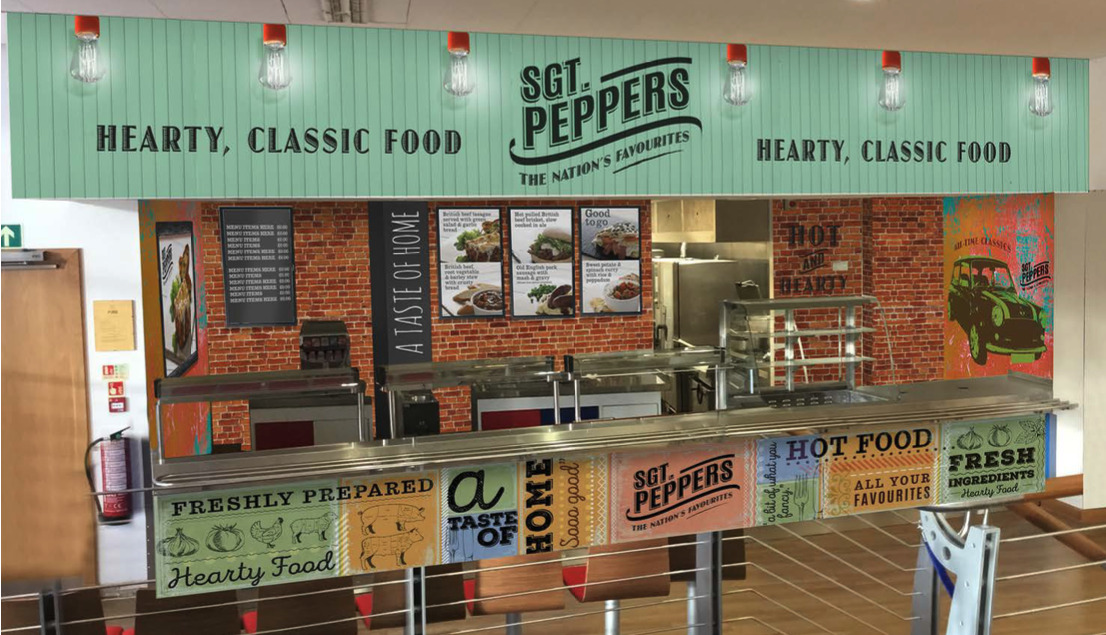
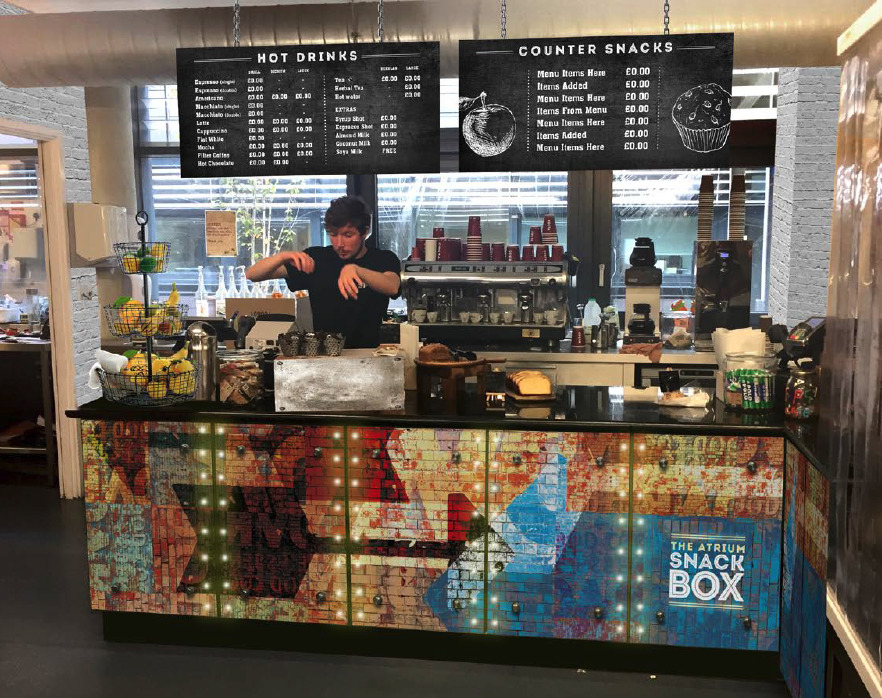
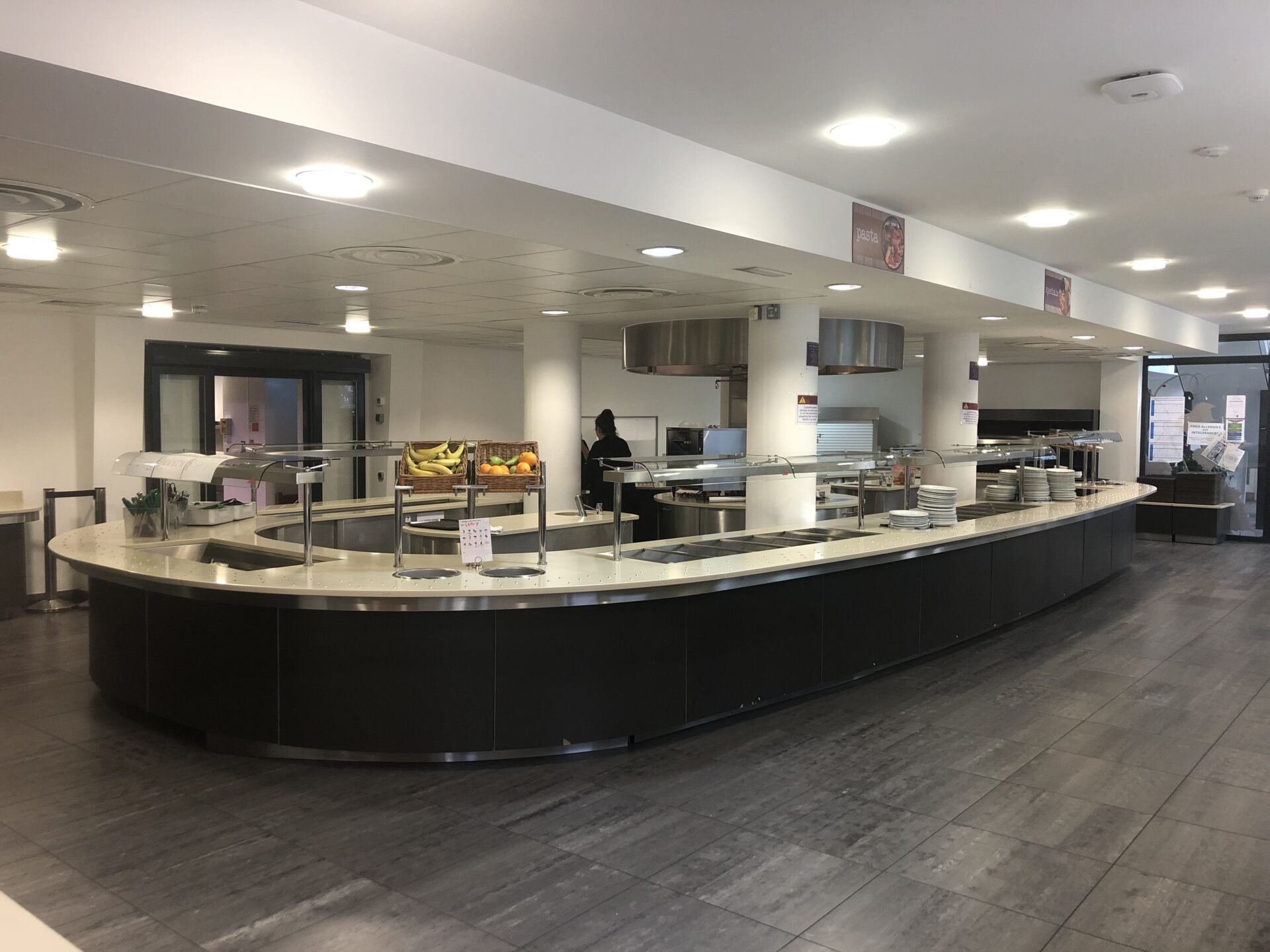
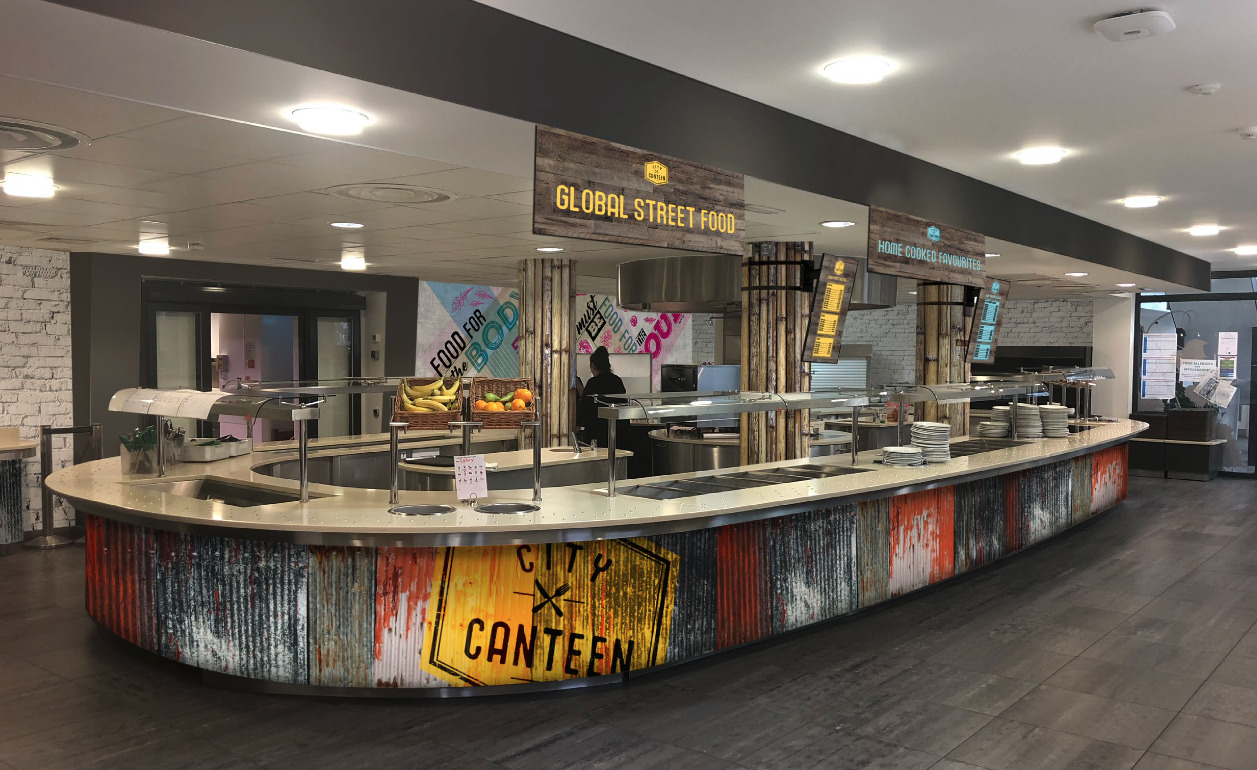
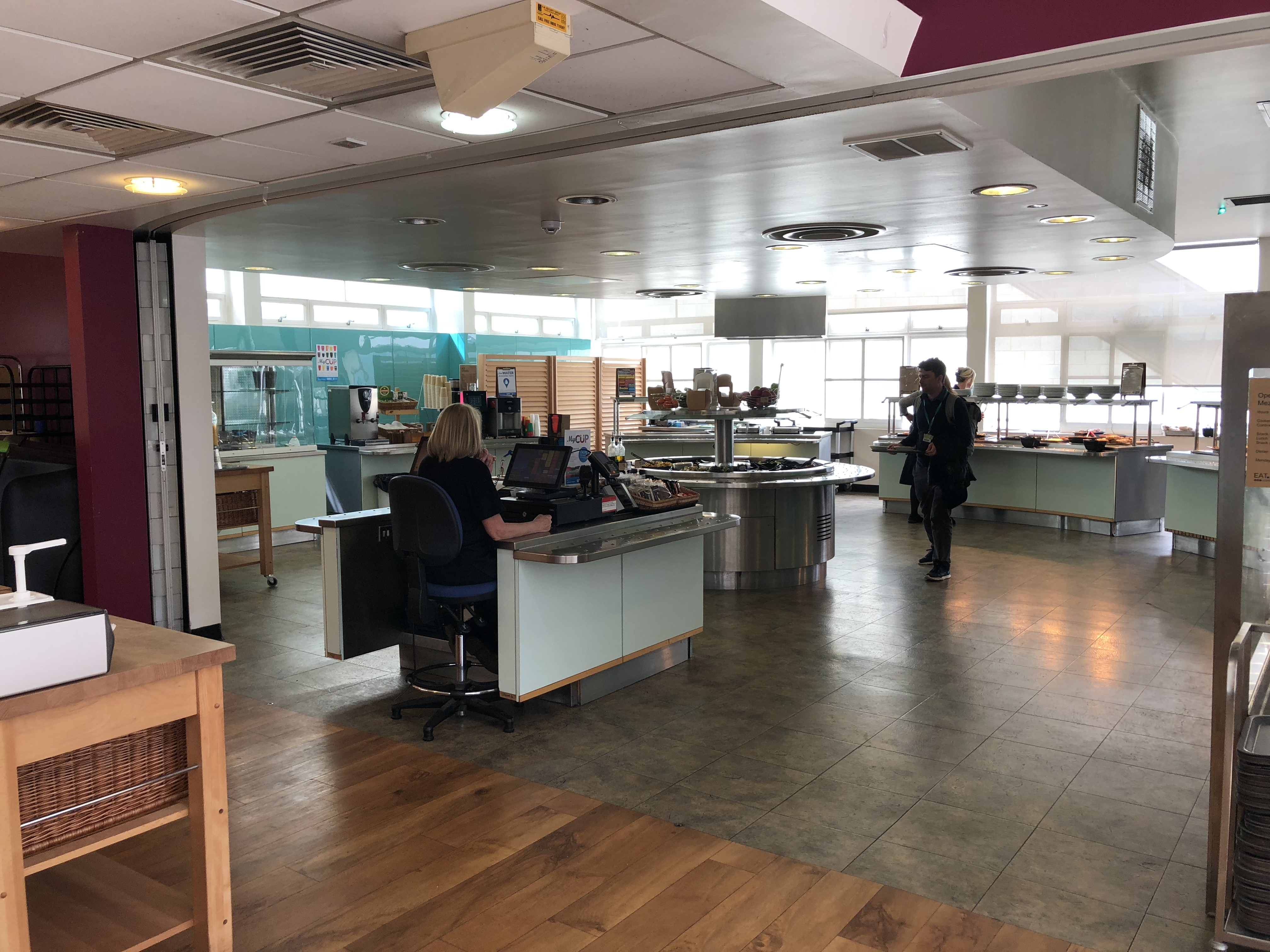
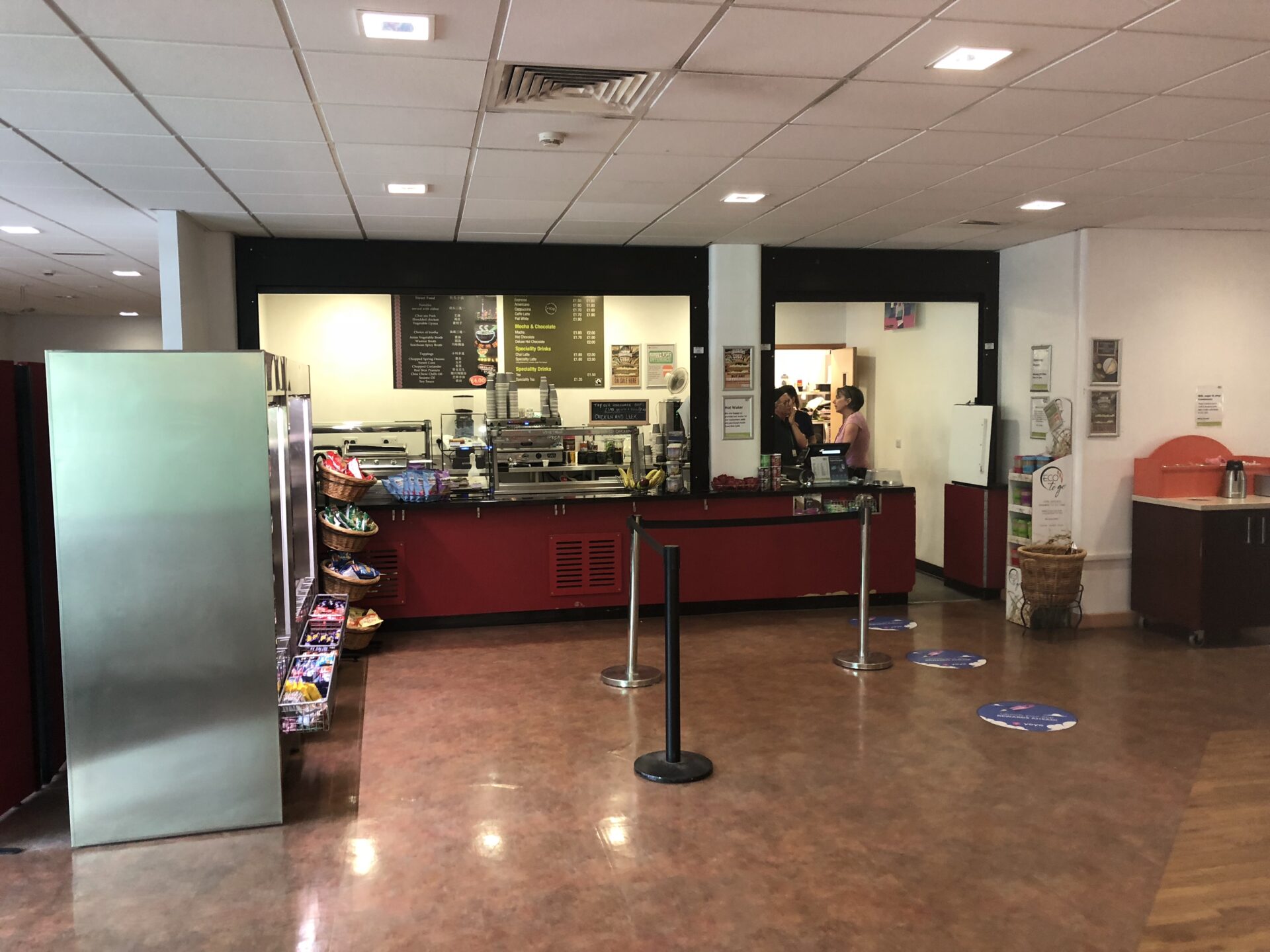
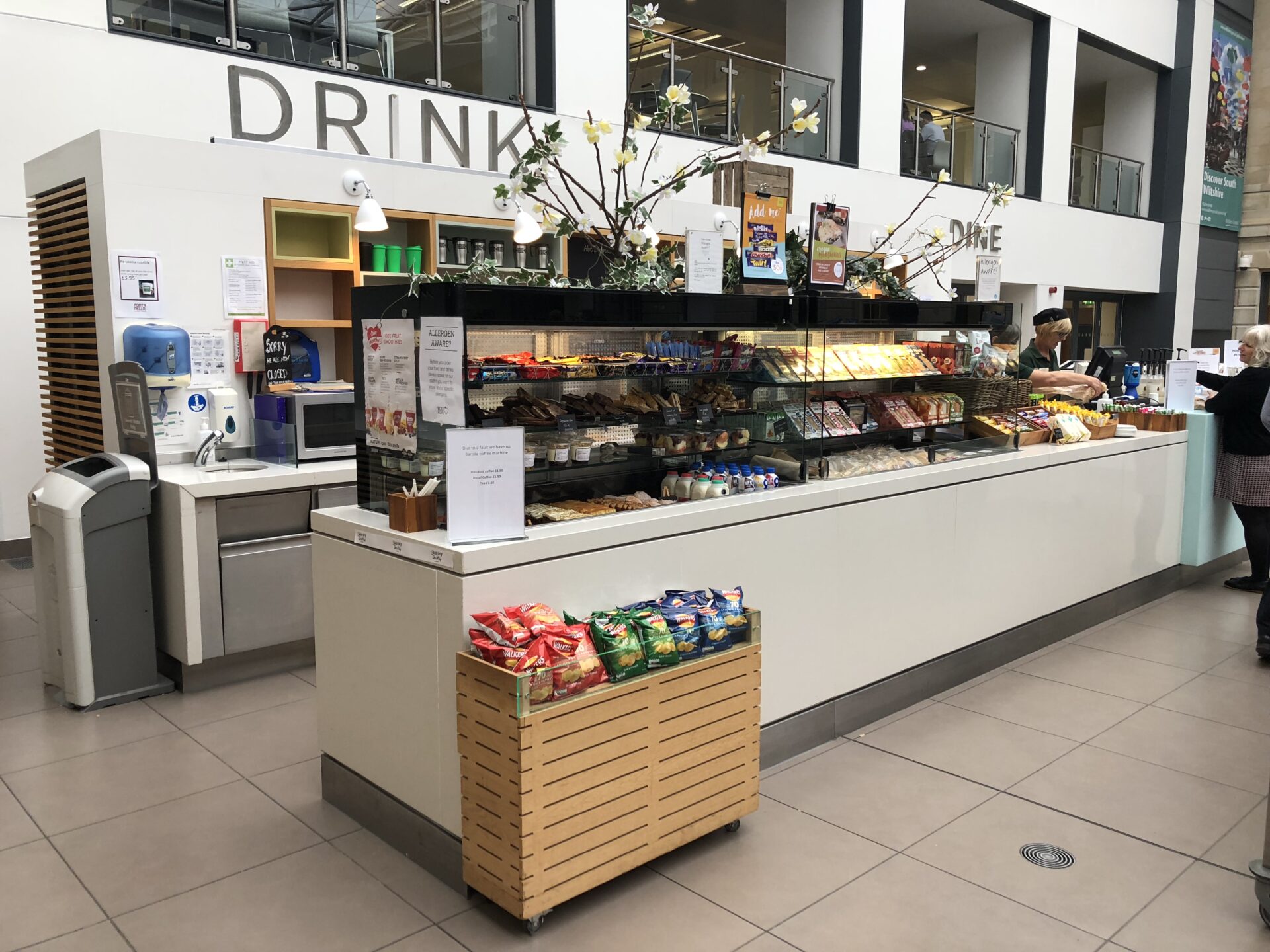
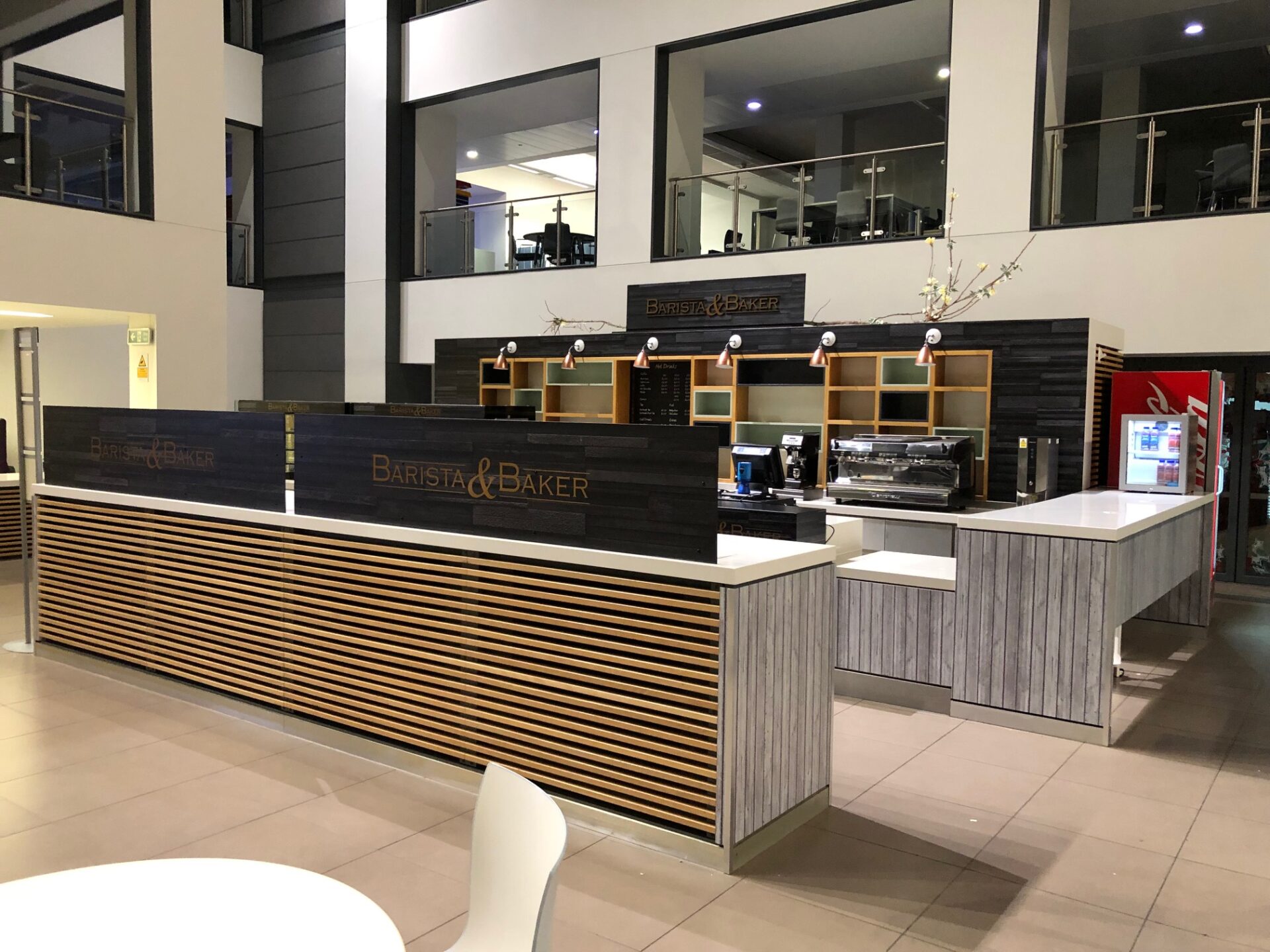
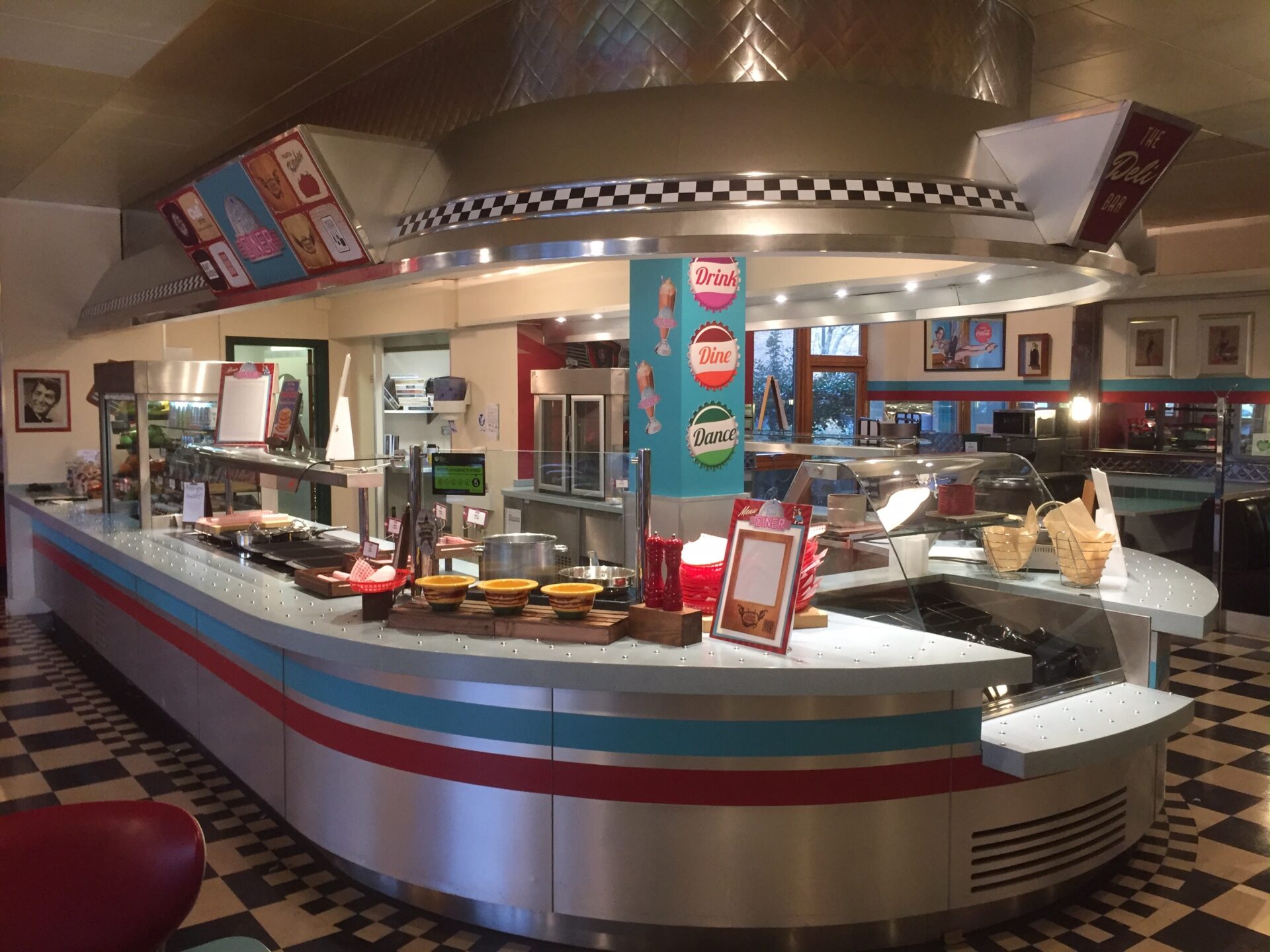
    Stainless steel, plainly laminated, painted or badly designed front of house food counters, walls and bulkheads are functionally the best for cleaning, durability and price, but will ultimately do nothing for your brand, help diminish your foods flavour, destroy the customer experience and negatively affect sales. Don’t believe me? Well more fool you… A University located in the midlands and I put this theory to the test when the institution refurbished a great little space in the heart of a new student accommodation block, the counters weren’t anything special, they were standard rectangles, took on the polished concrete finish of the floor, had a HIMACS (a cheaper alternative to corian) work surface and some pendant lights over, a pretty basic, standard food counter with some standard cafe table and chairs (that wobbled) with a copper colour design scheme throughout. The same chef, with the same ingredients, served the same burger over this counter than in other accommodation areas of the University, which were similar looking to the top left photo you see above, and the feedback was ‘This Burger tastes way better than the one served over in G block’ ‘Its not fair, why should this block get the best food?’ Some students were even convinced the service was quicker, and would have even paid more money for the burger served over these simple, yet designed looking food counters. If you still believe your food counter area shouldn’t be treated like the hero of your establishment, then please just go and stand in the corner and have some stern words with yourself please : )

    A university caters for so many nationalities, a spectacular customer demographic and high volumes of footfall at peak trading times throughout term time, so its only natural we would want to cram as many food offers into each outlet as possible, if your food outlet structure can take multiple offers and you can clearly communicate the Italian pizza and pasta offer alongside the soup station or grill then go for it, but we advise you not to lump it under one identity this just dilutes the offer, confuses the customer and turns a potential food place destination into a school canteen, in 2024 universities need to compete with the high street more than ever. Imagine if your favourite Chinese started offering Indian dishes, and your go to Indian started serving Chinese classics, you would rightly start to question the authenticity of the food, the Friday night treat destination is immediately diluted and the whole food concept becomes less fanciable and more mundane, then you start to question the quality, the price, the ambience, so you start going to Nando’s instead for a really simple chicken and chips, feeling like you have found your Friday night happy place again.

    A clearly defined food offer that communicates what it is, will always stand a better chance at winning at the till, Greggs is a perfect example of that quick baked food offer, Subway is another focussed offer, KFC, McDonald’s, Domino’s, Nando’s, Cafe Nero, Love Churros, Burger King, Wagamamas, Pizza express, the list is endless, its tough for a university to offer ultra focussed food outlets, I get that, just please, for me, try not to overload too much : ). Counters changing throughout the day can help, in this digital age, screens with the changing of day part menus and if designed correctly can also support different looks alongside the food offer. Interchangeable POS, different small wares, reversible tariff boards, branded furniture, walls will all help turn the breakfast counter into the lunchtime wrap station then into the coffee, ice cream and smoothie shop in the evening.

    For main feed outlets where we have 400+ diners shuffle through, you have to mix and match, to feed 400+ diners though, you will have space, huge counters and all sorts of areas we can categorise, to make the experience less school like, but somewhere in between the high street and a food court for young adults, this has taken us years of learning with many mistakes made along the way. It has become 2nd nature for us now, architects, facilities teams, procurement and project managers across the university landscape are similar, its a bit of a family like approach to delivering student experiences, so when it comes to food outlets and counters they are generally similar in output, which keeps me busy, and allows us to reinvent the wheel on a project by project basis which keeps our creative minds ever flexed, which is positively amazing.

    The transformation we inject into foodie environments is plain to see, but don’t be fooled into thinking any old designer and printer will do the same, its been a long learning curve for us / we / me over the last 25years to make sure we survey correctly, use fit for purpose materials, applicate the graphics in the correct way, challenge our clients counter functionality, treating the students as shoppers, using retail shopper marketing skills we have acquired of the years and a bundle of common sense to boot along the way. Project management is also a skill we have mastered, fitters will be fitters, building schedules rarely getting delivered, structural delays, you’ve heard it all before, we like to be the last ones in, so we protect our work, but that doesn’t mean the design can be delivered during the build stages, we have learnt over the years, what we present can often changes direction of the build, food counter approach flooring needs to be considered, shopper journeys, queueing, electrics, finishes and way-finding often get overlooked or just plonked in as afterthoughts, which makes a huge difference to the end result, and will often be more expensive than employing us to do this for you in the long run.

    Here are some examples of work we have delivered to outlets which weren’t going to well, we got the call, we brought the design funk and told everyone what we were doing, as well as where to find the new food outlets, students are lazy, convenience wins over everything apart from price in the majority of a young persons mind, an effectively designed pavement sign or wall decal shouting about the new veggie / vegan food outlet will work, if the experience is a good one then the tribe will follow, even if it is 10 minute walk. This is another reason to bring in the experts earlier, during the planning phases, we will bring to the table all sorts of best food and beverage practices to the project.

    Before

    A walked past outlet on the main thoroughfare from Birmingham university station into the heart of the campus, just a perfect location, although Costa and Wok Station is 300m up the road with a cool basement seating area and outside spaces.

    After

    Disruptive, memorable and a focussed food offer, it’s trendy to be a student and vegan, right? Cool to be seen entering the vegan establishment and later be noticed, displaying the trendy coffee cup and branded paper bag with your vegetarian chocolate brownie inside. The unit sold more coffee as it was cheaper than Costa, and the healthier, vegan infused branding made it ok to frequent.

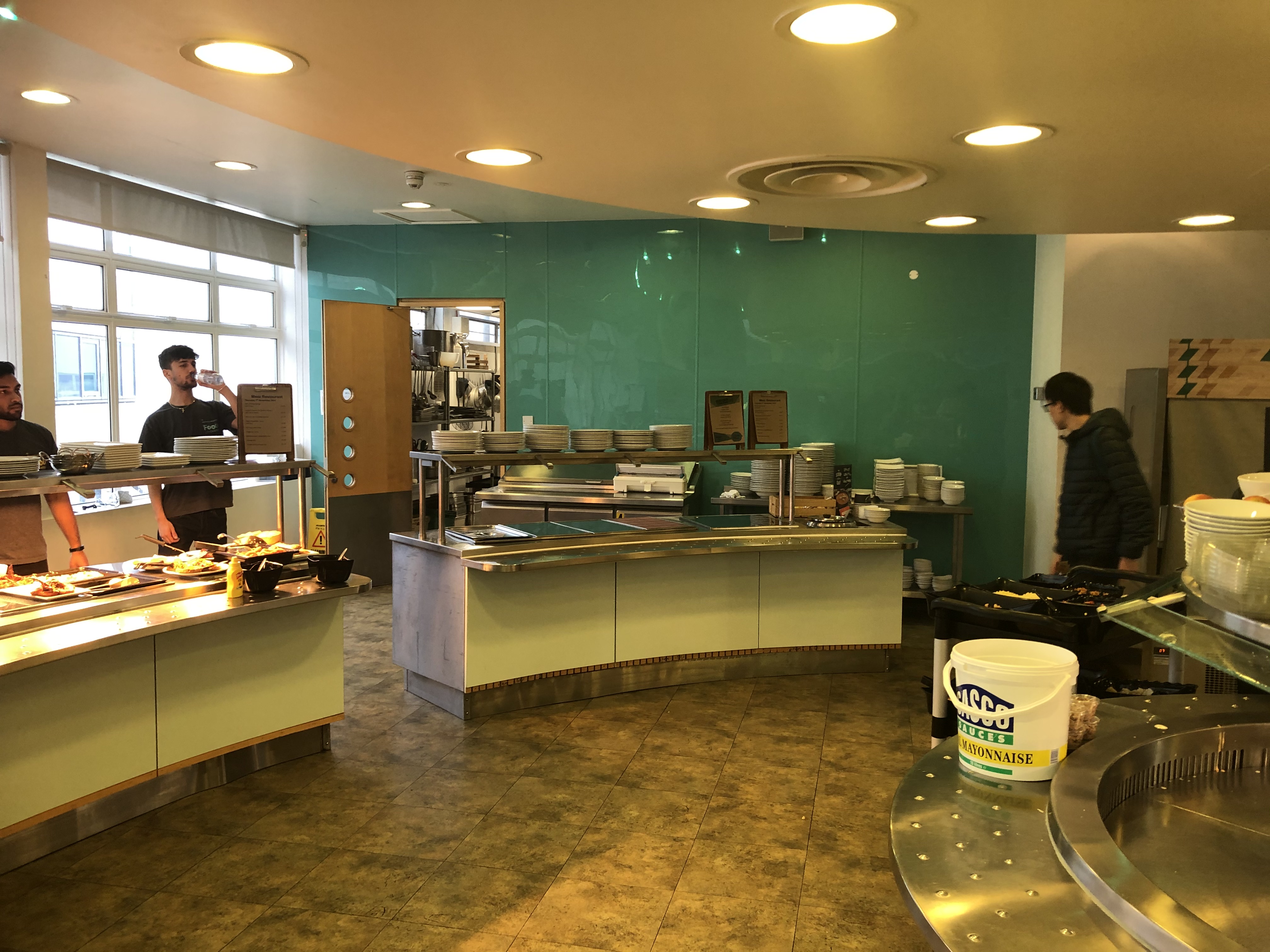
    Before

    What am I? What do I sell? What’s my name? Who is my customer? What is my colour scheme? How am I shopped? How do I look? When do we open? What’s on special today? There is literally question after question : (

    After

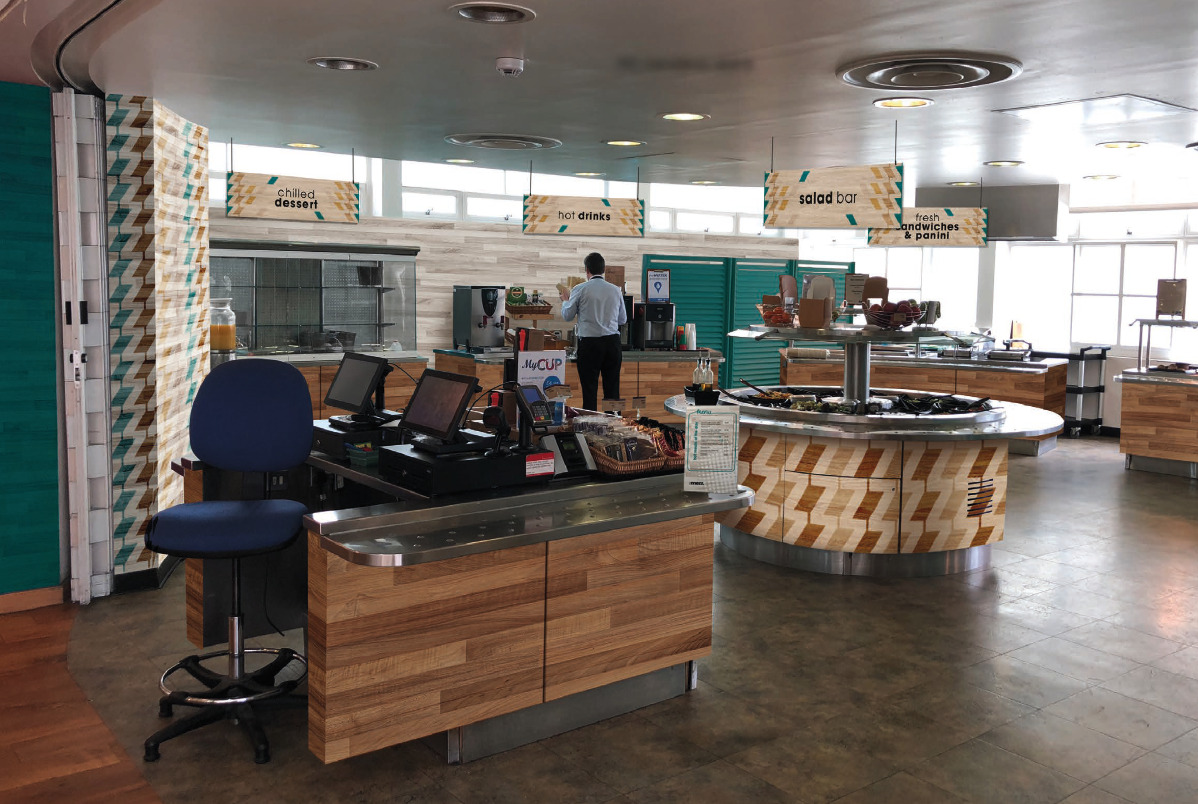
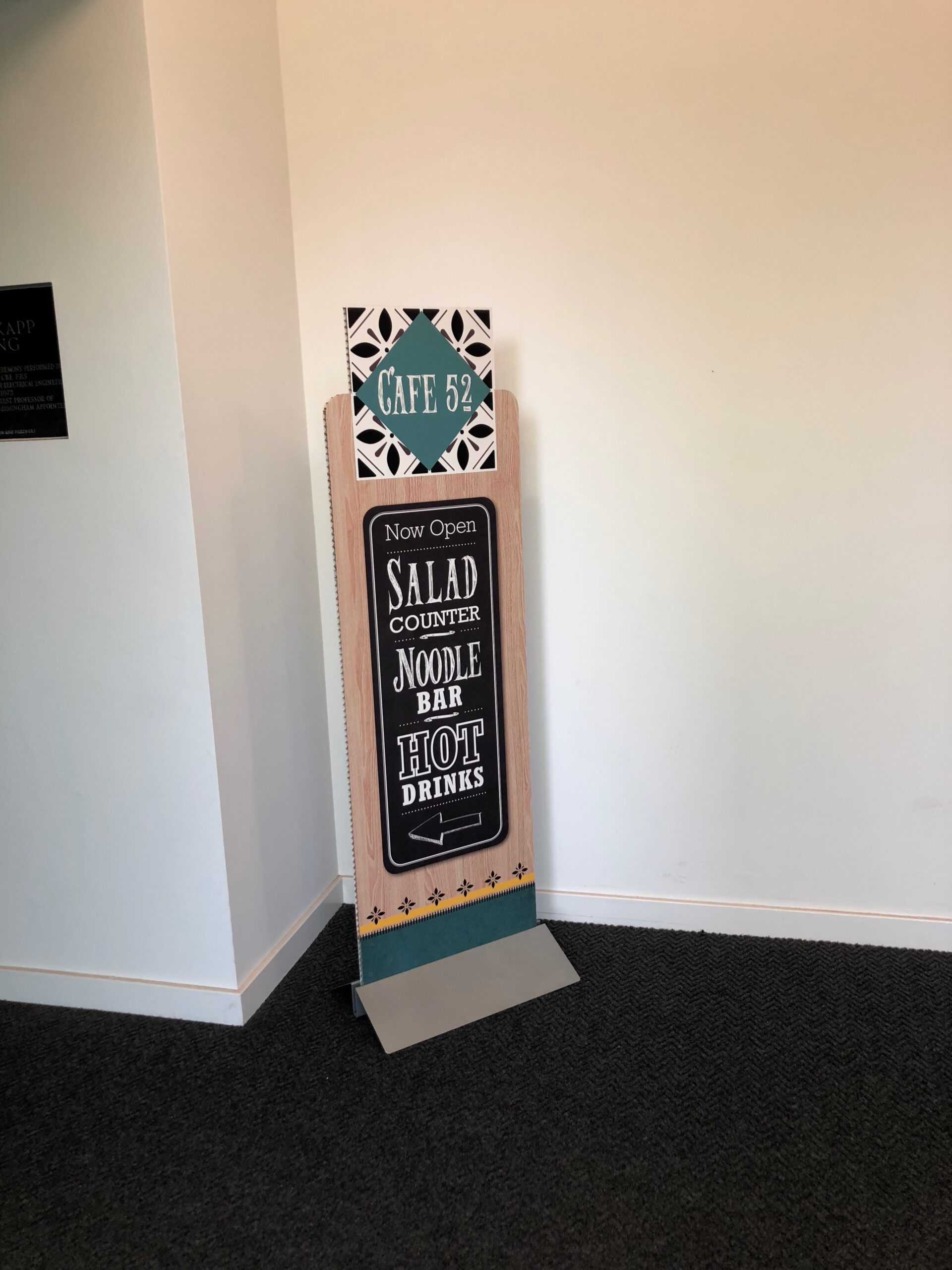
    I am a proud to exist food and beverage outlet located in a university, I am a deli with a salad counter, a noodle bar and I sell hot and cold drinks, my colour scheme is a dynamically patterned teal which complements the raw, natural surrounding textures and materials, I will be shopped from left to right thanks to the help of my brand new tensa tape, I look good now and boy do I feel good to, Im open from 8am – 4.30pm, my special today is buy any hot drink and get either a piece of fruit free or a cookie for just £1… No structural changes, we have given the food outlet an identity, a personality and a new set of clothes, the sales doubled overnight and the feedback on the look was amazing.

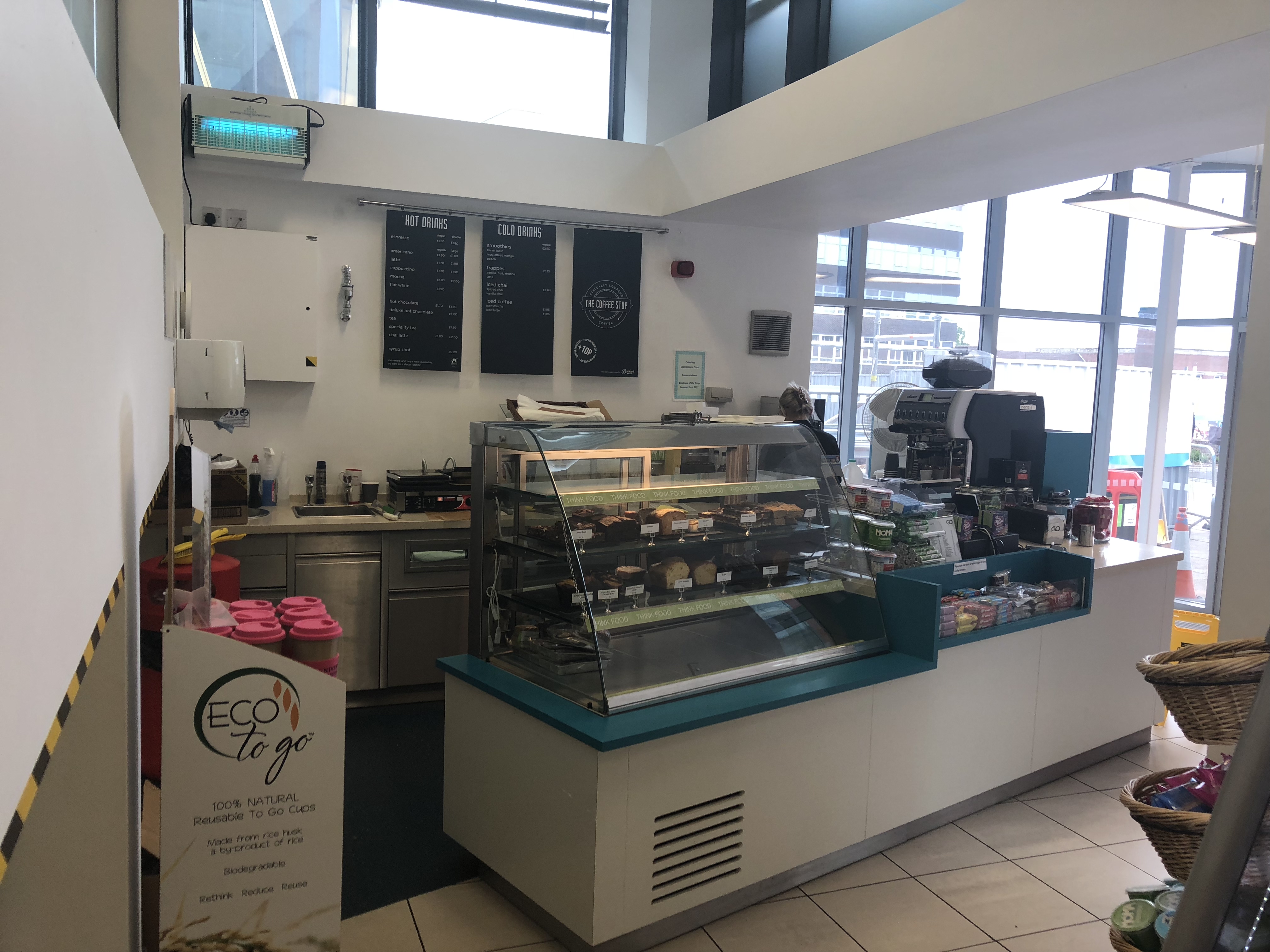
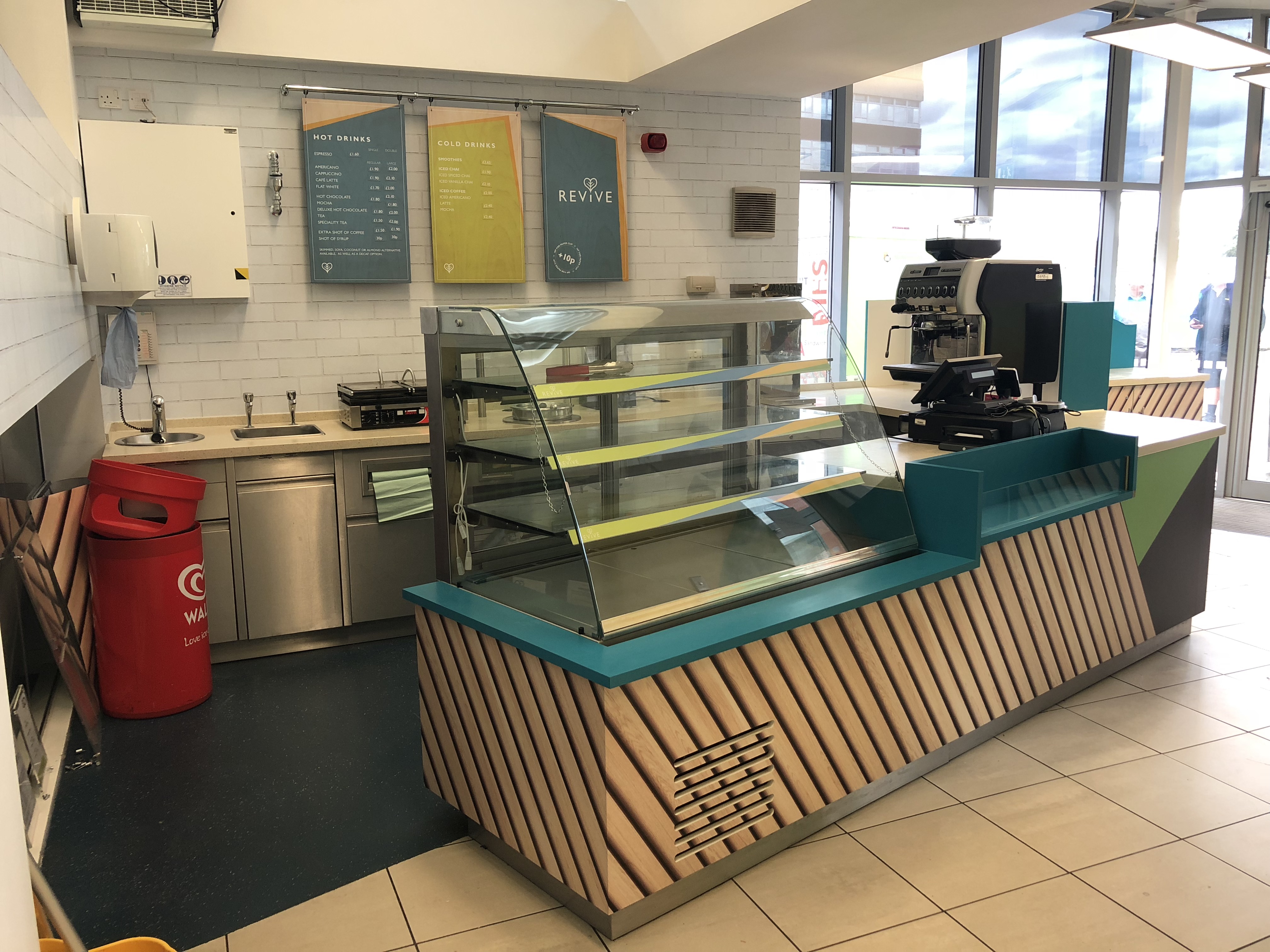
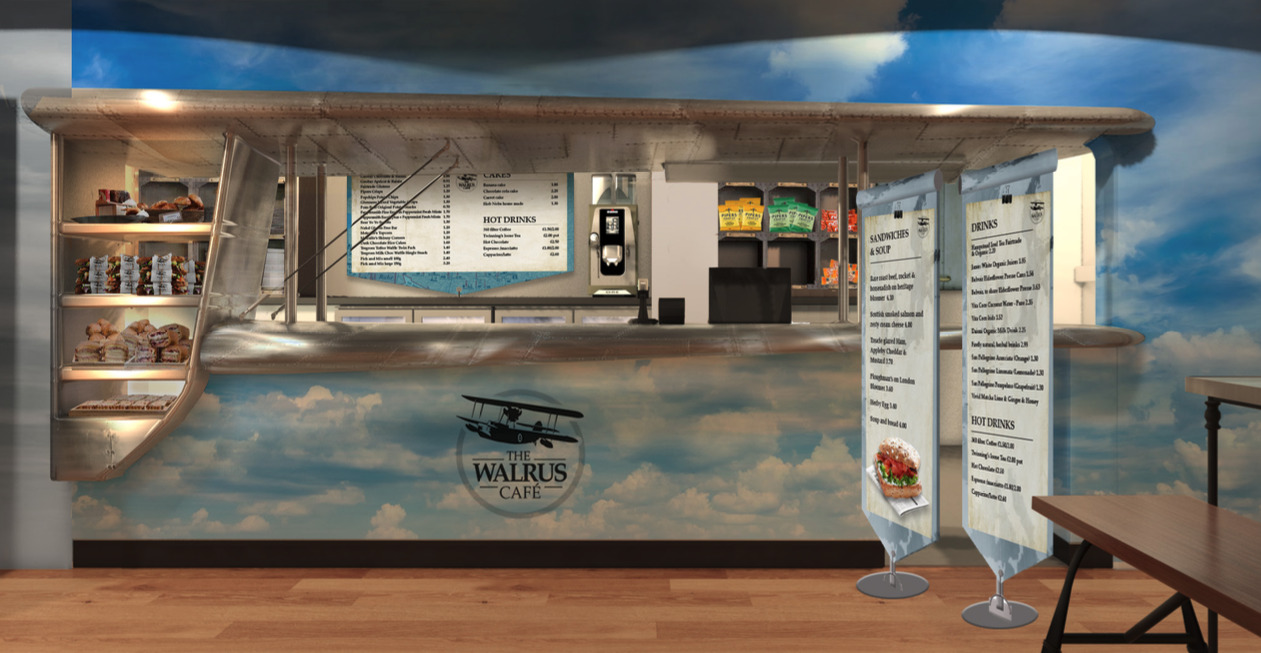
    Below are some more before and after images of work we have delivered within the university catering outlets up and down the UK.

    Before

    After

    In conclusion, the overall benefit of having a great looking food counter is it will heavily contribute to the sales success of the outlet, and here’s why: –

    1. A branded food counter will provide a destination, give the whole outlet a desired personality that will attract and engage customers.
    2. A visually appealing food counter can serve as a gathering point for students and staff, fostering social interaction and a sense of campus community.

    3. Through a creatively designed food counter you have the opportunity to promote consistent, catering and university messaging.
    4. Great looking food counters reflect positively, not just for the catering team but the whole of the university.
    5. Food outlets, including counters are a fantastic locations to promote the catering, and overall institutions sustainability efforts.
    6. You are competing with high street brands and the internet, you need to appeal to your customer base.
    7. Effectively designed food counters and outlets boost staff morale as well as enhancing the overall dining experience.
    8. Strategically designed food counters stimulate shoppers, and encourages them to make a purchase.

    Food Trends – Are The Insects Finally Coming?

    There have been many predictions from all sorts of food trend experts revolving around the introduction of insects into the UK mainstream food chain, could 2024 finally be the year that these predictions become a reality, and if so, why?

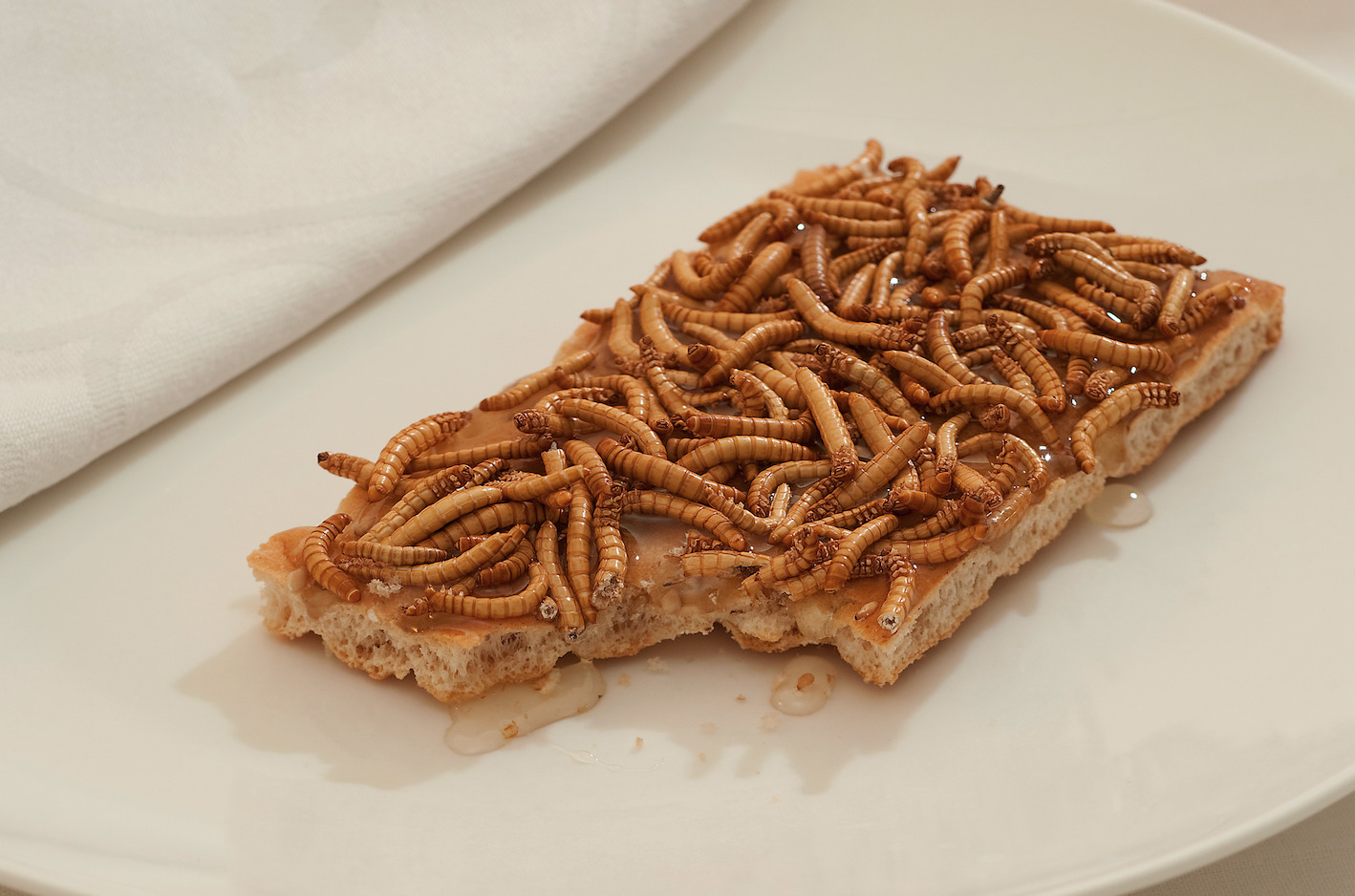
    Lets tackle the why first… Well believe it or not insects are rammed packed full of good nutrients, including amino acids and protein, they are small in comparison with other food sources, but grasshoppers, crickets and mealworms for example are far richer in protein and minerals, they are cheaper to farm, easier to breed and far less labour intensive than the traditional livestock food we regularly eat. They will also do their bit for saving the planet, switching from mammal meat to insect meat will give a far more sustainable route to protein. We will obviously combat the healthy goodness of taking the insect plunge, by covering them in unhealthy coats or mixing them with chemicals for whatever reason… Just imagine… Kentucky fried grasshopper… yummy yum yum.

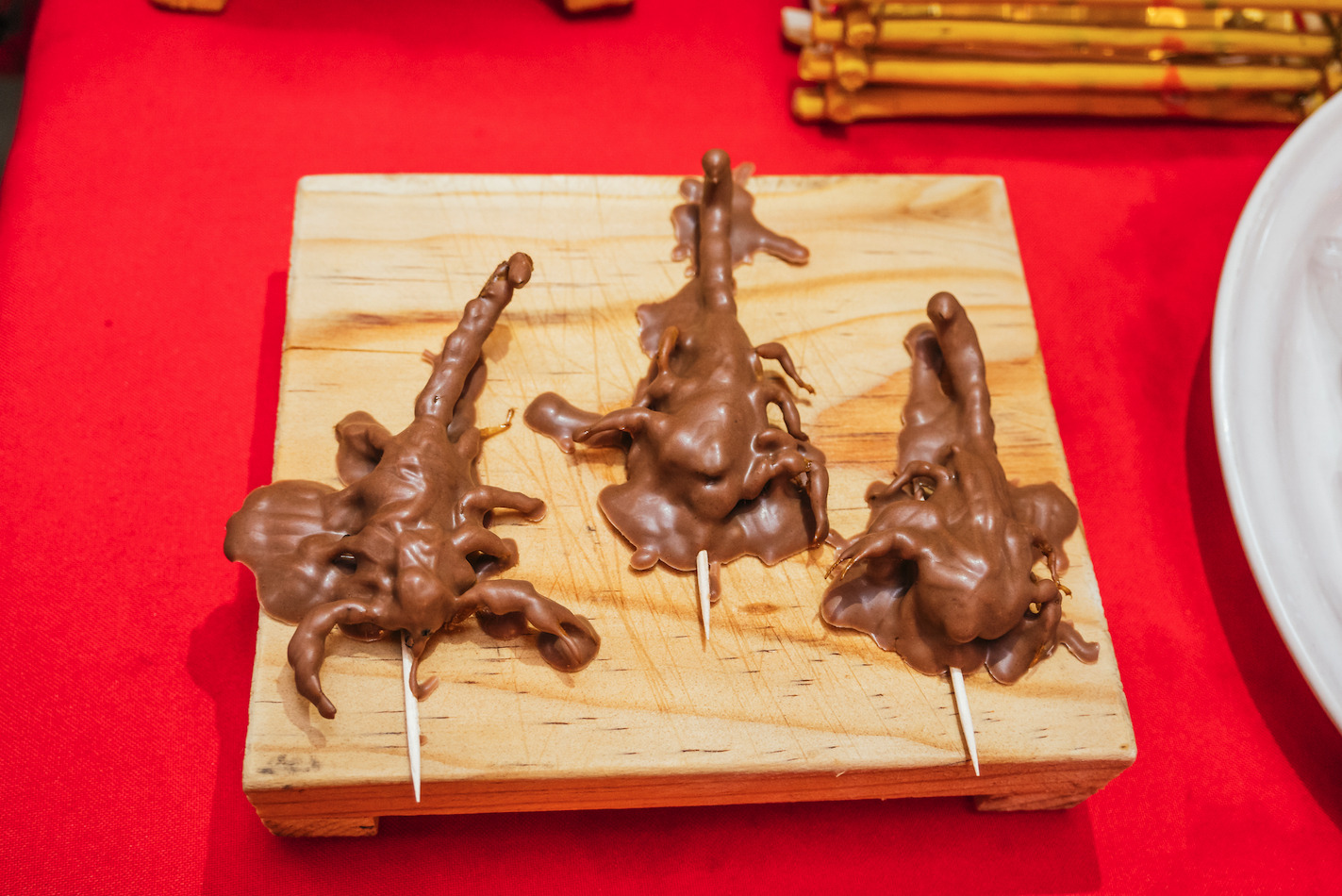
    What can we expect our taste buds to say? OMG this could be my favourite blog section I have written to date! Well here goes, crickets and meal worms that taste like seeds, nuts or mushrooms. Scorpions and Locusts are of a more meaty variety and have been compared to crab, whilst for desert the weaver ant has a nutty, sweet, caramel taste and smell. Not to your fancy? No drama, you can always clean the palate with a generous helping of Lemon Ants and let the citrus odours and flavour cleanse. But my favourite has to be the Sago grub “The bacon of the grub world”

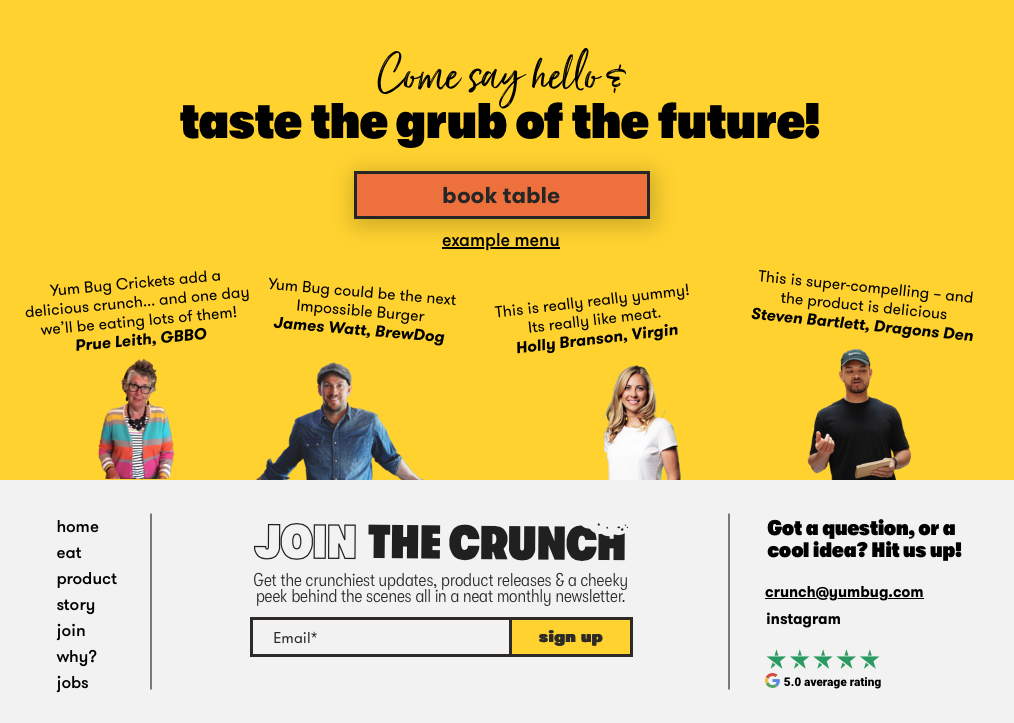
    To be honest I was still a non-believer, “nah we wont be eating worms in my lifetime” kind of approach, so I have researched the potential trend and can hand on heart say that we will be eating worms and all sorts in my lifetime. Companies like Save and Yum Bug have already developed a range of products from snack packs to full on restaurant meals. Yum Bug made such a huge success as a pop up food offering they have now opened a permanent, full blown restaurant in Shoreditch. See below a snapshot of an example menu, taken from the Yum Bug website, there are a lot of flavours infused into most of the dishes, so the I’m a celebrity get me out of here images in your head are far from what we will see being served up in establishments where you go and experience new to the UK dining endeavour.

    The highbrow endorsement of Yum Bug is truly something to believe, they have really taken this current niche market by storm, I predict it wont be that long now before the global brand conglomerates start to join in pretty soon as there will be a window where profit margin will be huge, until the market settles into a price point zone consumers demand.

    I cant move on before mentioning my thoughts on the design we see, the brand identity of Yum Bug is really interesting for the following reason – Its basically the same as a design agency called Yummy Bug? I mean its exactly the same lol, I really hope these businesses are connected in some way or else uh oh… The Yellow and Black form a striking contrast, it’s a basic go to graphic design colour palette in the retail environment because it’s hard to ignore. The whole Yum Bug identity is a no thrills, simple, activation which strikes the viewer straight between the eyes, you have no choice but to engage with it whether you like it or not, its not a bad strategy, it will punch on social media like the person who everyone knows has arrived, as they are shouting out a well known song, wearing disturbing clothes and wont let anyone else get a word in edgeways.

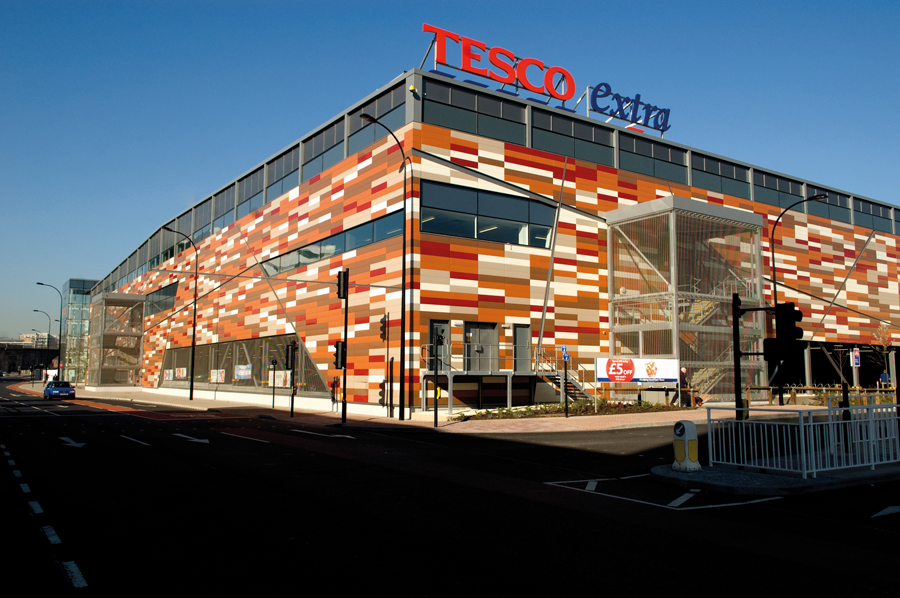
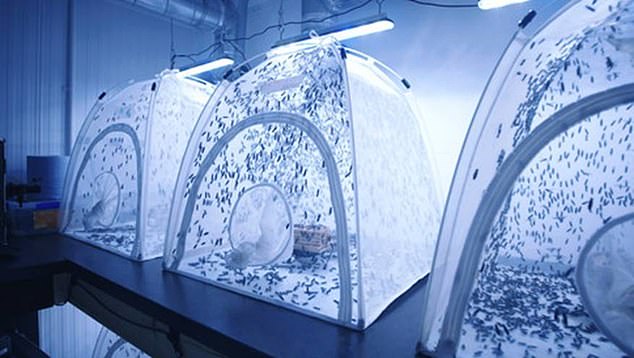
    Walking through one of London’s busiest stations, you would never suspect you were just a stone’s throw away from the UK’s largest insect farm. But tucked away beneath some of the capital’s iconic railway arches, insect farming company Entocycle is raising black soldier flies to be turned into insect protein for animal feed. Why? Because they believe insects can help protect the world’s forests and are working with Tesco to explore how their idea can be scaled up to become a reality.  Retailers like Tesco and the food industry as a whole have a key role to play in scaling up the use of insect feed, and they are already trialling its use in our aquaculture supply chain, the introduction of insects could be a game changer…

    The Grocer reports, as a globe we need to produce feed for circa 80 billion animals per year reared for human consumption, which puts a huge amount of strain on the planets natural resources. By inserting insect protein into animal feed the amount of natural planet resource saved is at worse case over 50%, which begs the political question on ‘why the hell haven’t we made this a priority?’ There are circa 1.5bn polluting vehicles in the world, nothing compared to the 80bn livestock reared per year, surely it’s a non-brainer?!? Or by introducing insects into Tescos soy production process, we would save approximately 150,000 hectares of land (the size of London) per year?! The save numbers are all basically staggering…

    1. Nutritional Value: Insects are rich in protein, healthy fats, vitamins, and minerals. For example, crickets contain high amounts of protein, comparable to conventional meat sources like beef or chicken. They also contain beneficial fats, such as omega-3 and omega-6 fatty acids, as well as vitamins like B12 and minerals like iron and zinc.
    2. Sustainability: Insects require significantly fewer resources, such as water, land, and feed, compared to traditional livestock like cattle or pigs. They also emit fewer greenhouse gases and produce less waste. Therefore, incorporating insects into the diet can be a more sustainable way to meet the growing demand for protein as the global population increases.
    3. Health Benefits: Beyond their nutritional value, some research suggests that consuming insects may have health benefits. For example, the chitin found in insect exoskeletons has been shown to have prebiotic effects, promoting the growth of beneficial gut bacteria. Additionally, certain insects contain bioactive compounds with potential antioxidant, antimicrobial, or anti-inflammatory properties.
    4. Cultural Acceptance and Palatability: While the idea of eating insects may be met with hesitation in some Western cultures, many societies around the world have a long history of consuming insects as part of their diet. As such, cultural attitudes and perceptions play a significant role in the acceptance and incorporation of insects into modern diets. Developing palatable insect-based food products through innovative cooking techniques and flavoring can also help overcome the psychological barrier to insect consumption.
    5. Regulation and Food Safety: As with any food source, ensuring the safety and quality of insect-based products is essential. Regulations regarding the farming, processing, and marketing of edible insects vary by country. However, efforts are being made to establish standards and guidelines for insect farming and processing to ensure food safety and quality.

    Overall, the science behind eating insects highlights their potential as a sustainable and nutritious food source that could help address global food security challenges while also offering health benefits. However, further research is needed to fully understand the nutritional composition, safety, and potential health effects of consuming insects.