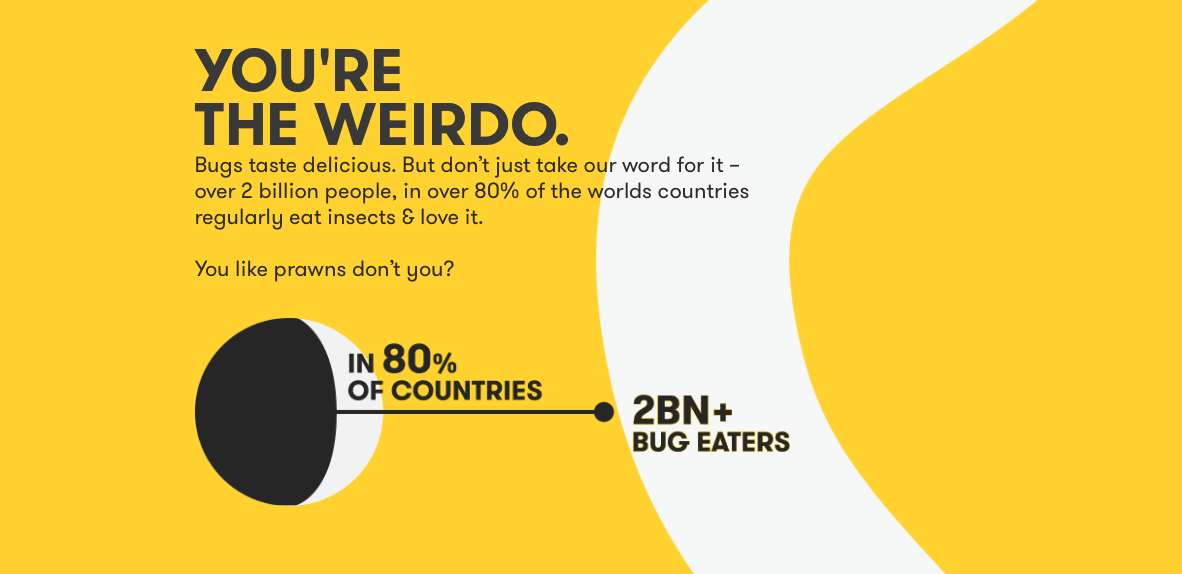
Food Trends – Are The Insects Finally Coming?
03/04/2024
There have been many predictions from all sorts of food trend experts revolving around the introduction of insects into the UK mainstream food chain, could 2024 finally be the year that these predictions become a reality, and if so, why?
Lets tackle the why first… Well believe it or not insects are rammed packed full of good nutrients, including amino acids and protein, they are small in comparison with other food sources, but grasshoppers, crickets and mealworms for example are far richer in protein and minerals, they are cheaper to farm, easier to breed and far less labour intensive than the traditional livestock food we regularly eat. They will also do their bit for saving the planet, switching from mammal meat to insect meat will give a far more sustainable route to protein. We will obviously combat the healthy goodness of taking the insect plunge, by covering them in unhealthy coats or mixing them with chemicals for whatever reason… Just imagine… Kentucky fried grasshopper… yummy yum yum.

What can we expect our taste buds to say? OMG this could be my favourite blog section I have written to date! Well here goes, crickets and meal worms that taste like seeds, nuts or mushrooms. Scorpions and Locusts are of a more meaty variety and have been compared to crab, whilst for desert the weaver ant has a nutty, sweet, caramel taste and smell. Not to your fancy? No drama, you can always clean the palate with a generous helping of Lemon Ants and let the citrus odours and flavour cleanse. But my favourite has to be the Sago grub “The bacon of the grub world”

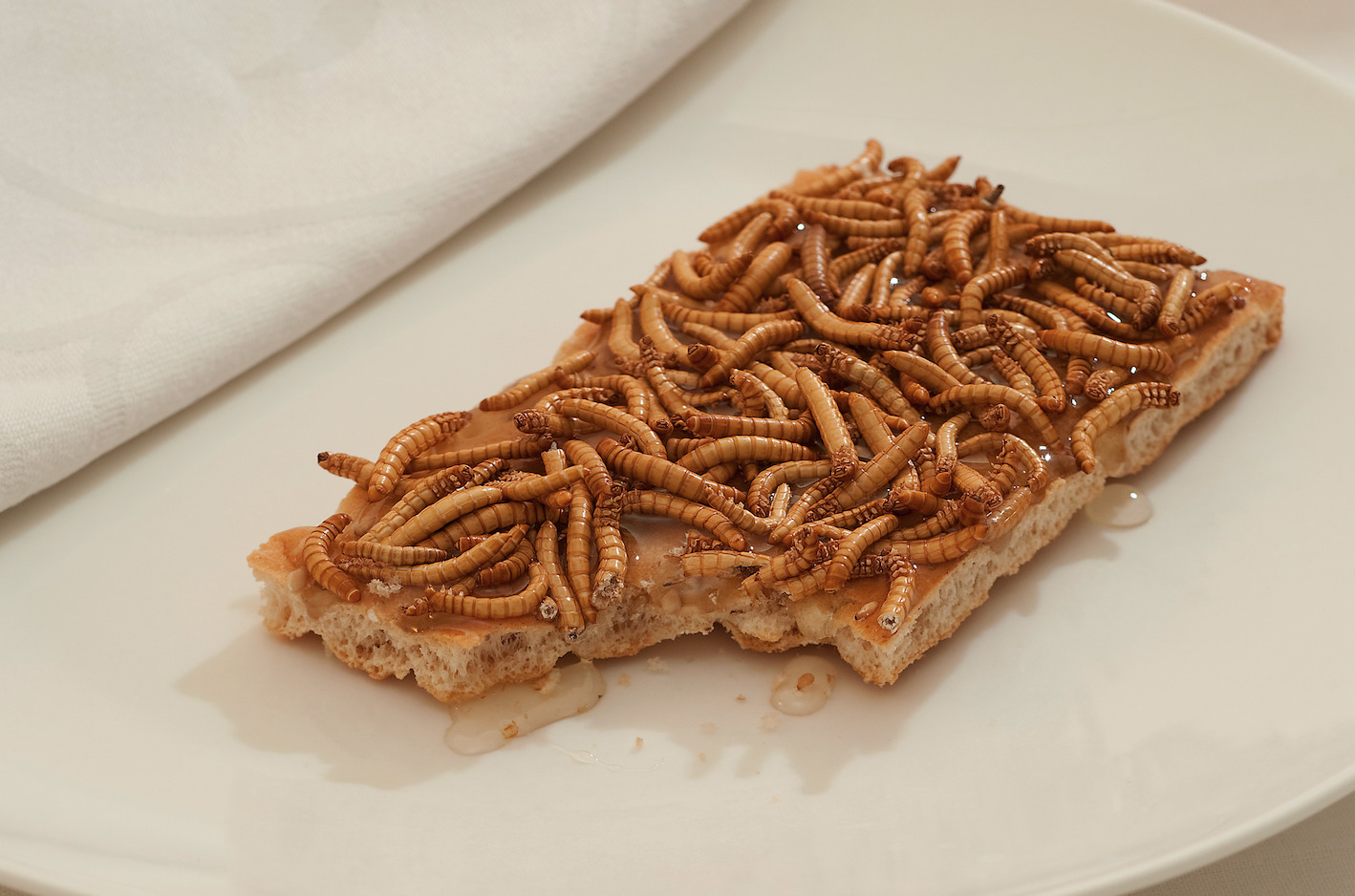
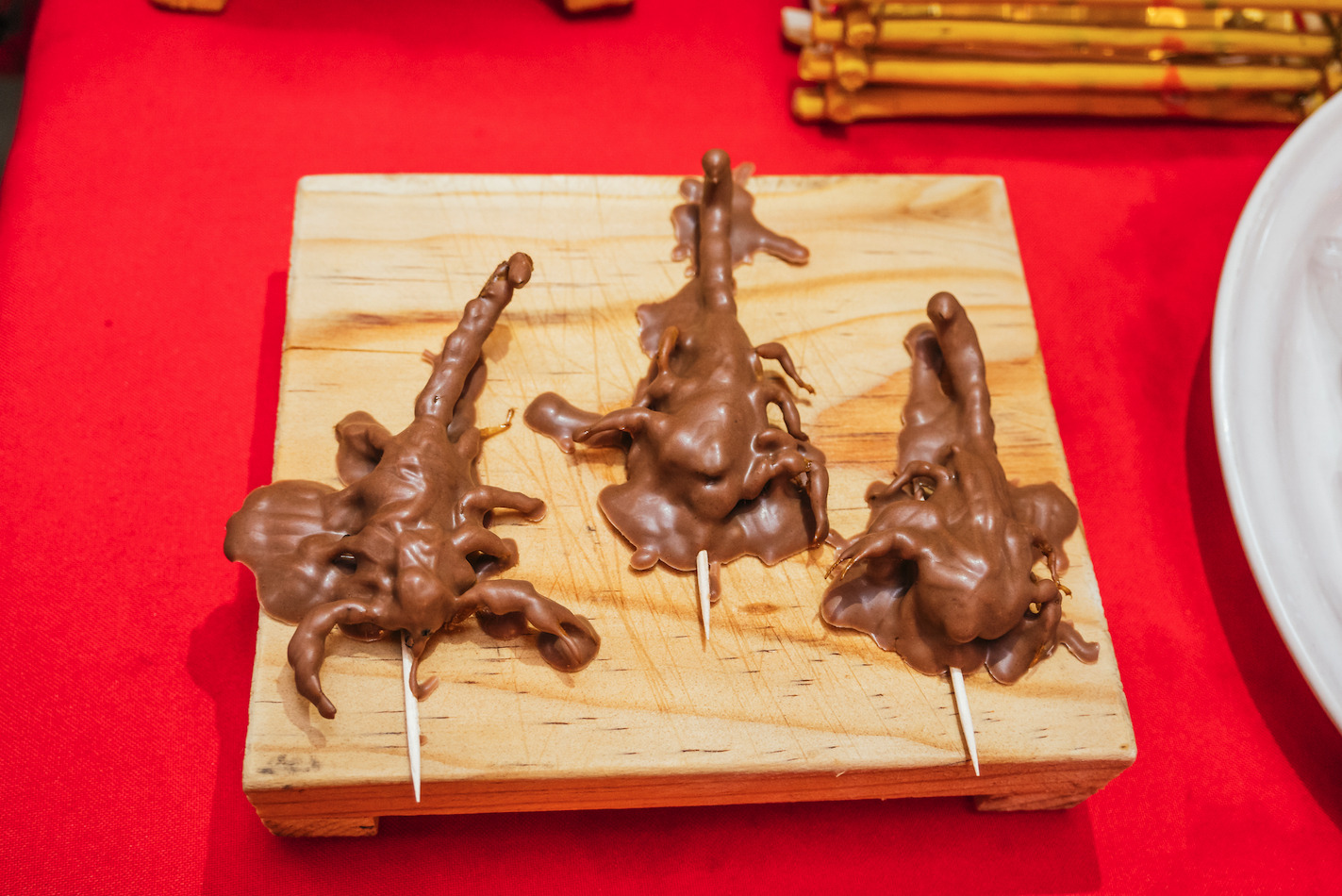
To be honest I was still a non-believer, “nah we wont be eating worms in my lifetime” kind of approach, so I have researched the potential trend and can hand on heart say that we will be eating worms and all sorts in my lifetime. Companies like Save and Yum Bug have already developed a range of products from snack packs to full on restaurant meals. Yum Bug made such a huge success as a pop up food offering they have now opened a permanent, full blown restaurant in Shoreditch. See below a snapshot of an example menu, taken from the Yum Bug website, there are a lot of flavours infused into most of the dishes, so the I’m a celebrity get me out of here images in your head are far from what we will see being served up in establishments where you go and experience new to the UK dining endeavour.


The highbrow endorsement of Yum Bug is truly something to believe, they have really taken this current niche market by storm, I predict it wont be that long now before the global brand conglomerates start to join in pretty soon as there will be a window where profit margin will be huge, until the market settles into a price point zone consumers demand.
I cant move on before mentioning my thoughts on the design we see, the brand identity of Yum Bug is really interesting for the following reason – Its basically the same as a design agency called Yummy Bug? I mean its exactly the same lol, I really hope these businesses are connected in some way or else uh oh… The Yellow and Black form a striking contrast, it’s a basic go to graphic design colour palette in the retail environment because it’s hard to ignore. The whole Yum Bug identity is a no thrills, simple, activation which strikes the viewer straight between the eyes, you have no choice but to engage with it whether you like it or not, its not a bad strategy, it will punch on social media like the person who everyone knows has arrived, as they are shouting out a well known song, wearing disturbing clothes and wont let anyone else get a word in edgeways.
Walking through one of London’s busiest stations, you would never suspect you were just a stone’s throw away from the UK’s largest insect farm. But tucked away beneath some of the capital’s iconic railway arches, insect farming company Entocycle is raising black soldier flies to be turned into insect protein for animal feed. Why? Because they believe insects can help protect the world’s forests and are working with Tesco to explore how their idea can be scaled up to become a reality. Retailers like Tesco and the food industry as a whole have a key role to play in scaling up the use of insect feed, and they are already trialling its use in our aquaculture supply chain, the introduction of insects could be a game changer…
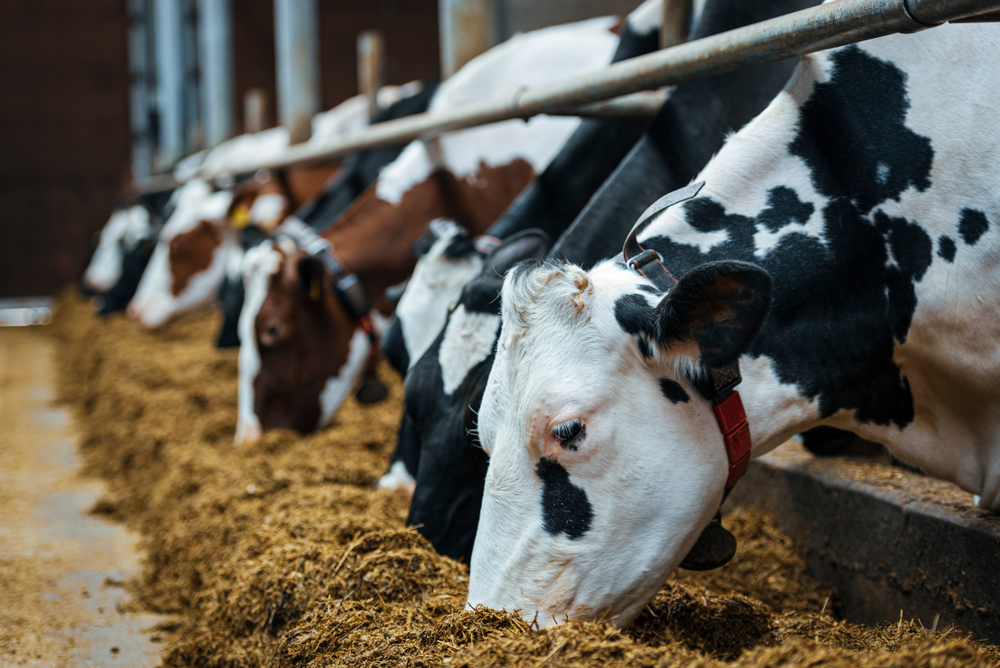
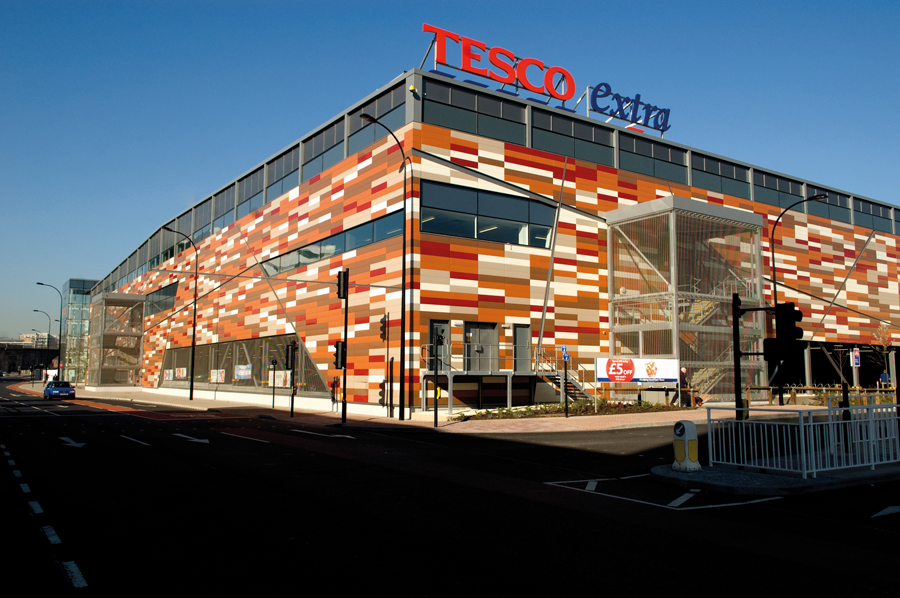
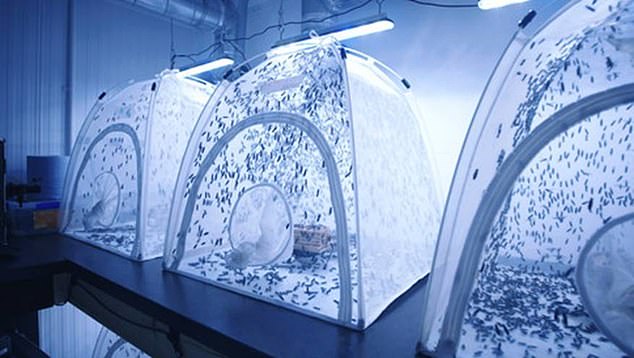
The Grocer reports, as a globe we need to produce feed for circa 80 billion animals per year reared for human consumption, which puts a huge amount of strain on the planets natural resources. By inserting insect protein into animal feed the amount of natural planet resource saved is at worse case over 50%, which begs the political question on ‘why the hell haven’t we made this a priority?’ There are circa 1.5bn polluting vehicles in the world, nothing compared to the 80bn livestock reared per year, surely it’s a non-brainer?!? Or by introducing insects into Tescos soy production process, we would save approximately 150,000 hectares of land (the size of London) per year?! The save numbers are all basically staggering…

- Nutritional Value: Insects are rich in protein, healthy fats, vitamins, and minerals. For example, crickets contain high amounts of protein, comparable to conventional meat sources like beef or chicken. They also contain beneficial fats, such as omega-3 and omega-6 fatty acids, as well as vitamins like B12 and minerals like iron and zinc.
- Sustainability: Insects require significantly fewer resources, such as water, land, and feed, compared to traditional livestock like cattle or pigs. They also emit fewer greenhouse gases and produce less waste. Therefore, incorporating insects into the diet can be a more sustainable way to meet the growing demand for protein as the global population increases.
- Health Benefits: Beyond their nutritional value, some research suggests that consuming insects may have health benefits. For example, the chitin found in insect exoskeletons has been shown to have prebiotic effects, promoting the growth of beneficial gut bacteria. Additionally, certain insects contain bioactive compounds with potential antioxidant, antimicrobial, or anti-inflammatory properties.
- Cultural Acceptance and Palatability: While the idea of eating insects may be met with hesitation in some Western cultures, many societies around the world have a long history of consuming insects as part of their diet. As such, cultural attitudes and perceptions play a significant role in the acceptance and incorporation of insects into modern diets. Developing palatable insect-based food products through innovative cooking techniques and flavoring can also help overcome the psychological barrier to insect consumption.
- Regulation and Food Safety: As with any food source, ensuring the safety and quality of insect-based products is essential. Regulations regarding the farming, processing, and marketing of edible insects vary by country. However, efforts are being made to establish standards and guidelines for insect farming and processing to ensure food safety and quality.
Overall, the science behind eating insects highlights their potential as a sustainable and nutritious food source that could help address global food security challenges while also offering health benefits. However, further research is needed to fully understand the nutritional composition, safety, and potential health effects of consuming insects.