Latest F&B Packaging Design Trends
15/08/2024
In the fast-paced world of food and beverage, staying ahead of design trends is a crucial need for our clients, as their product branding needs to constantly capture consumer attention. As we move through 2024, we have seen several design trends emerging and shaping the industry, you will be able to guess some of them, and maybe raise an eyebrow at others, here is a look at what design trends are here and making waves in the industry.
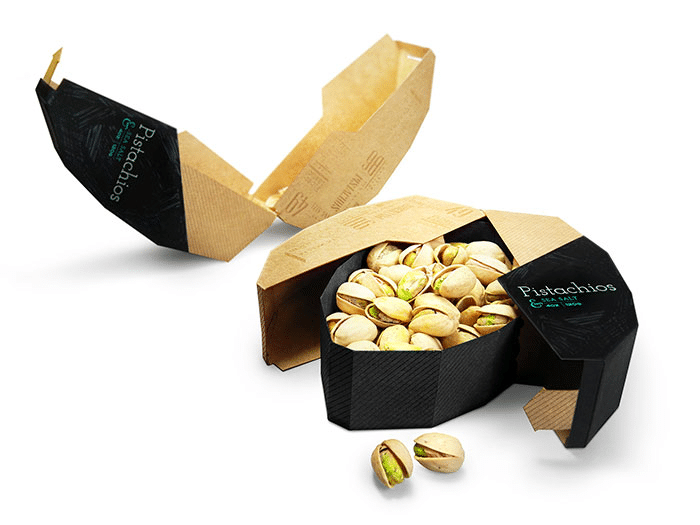
1. Sustainable Packaging
No surprises here, sustainability continues to be a dominant trend, driven by increasing consumer awareness about environmental impact, the ‘how to’ become more sustainable starts at the design phase, three main trends we are seeing across the boards are…
- Biodegradable Materials: Designers are turning to materials like paper, cardboard, and plant-based plastics that are easy to recycle or compost, these materials are not only reducing waste but also appealing to more and more shoppers.
- Refillable and Reusable Packaging: We are being encouraged more and more to reuse our packaging, glass bottles and sturdy containers are now being designed for multiple uses, I used to make around £1 a week collecting empty glass bottles and taking them back to my local shop for them to refill, have we now travelled full circle?
- Transparent Sustainability Messaging: Effectively designed packaging sells, by promoting clear and honest sustainability communication about the environmental impact of packaging and sourcing practices helps build trust with consumers nowadays, this is a major design shift which will help products sell, shoppers do now actually care about this important issue.

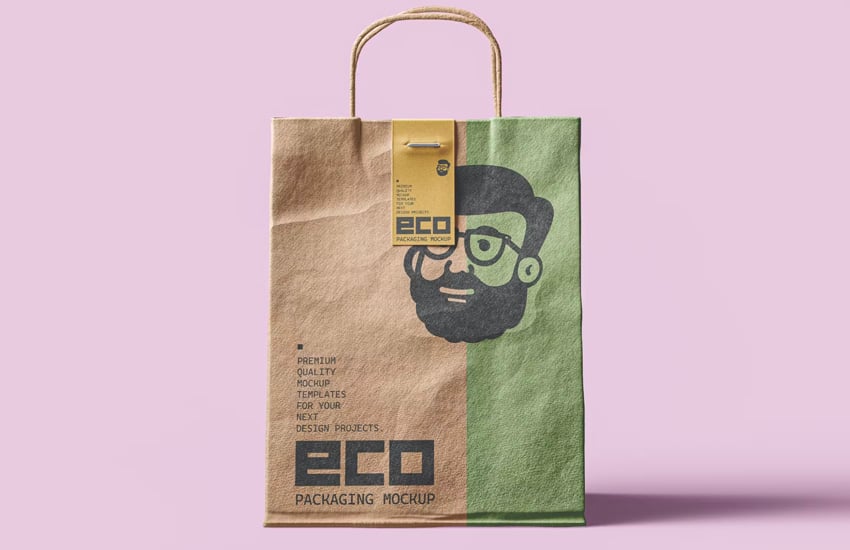

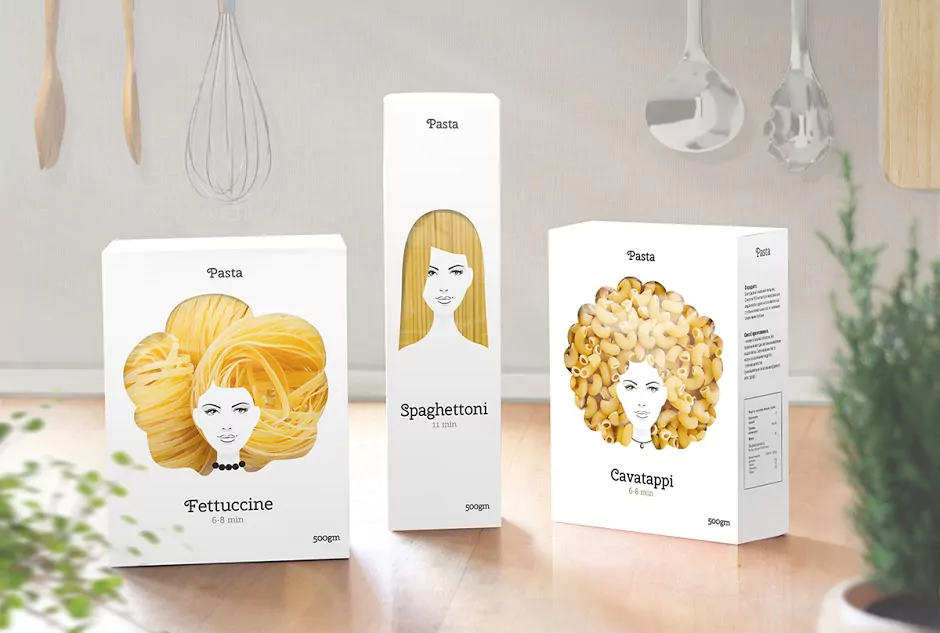
2. Minimalist and Clean Design
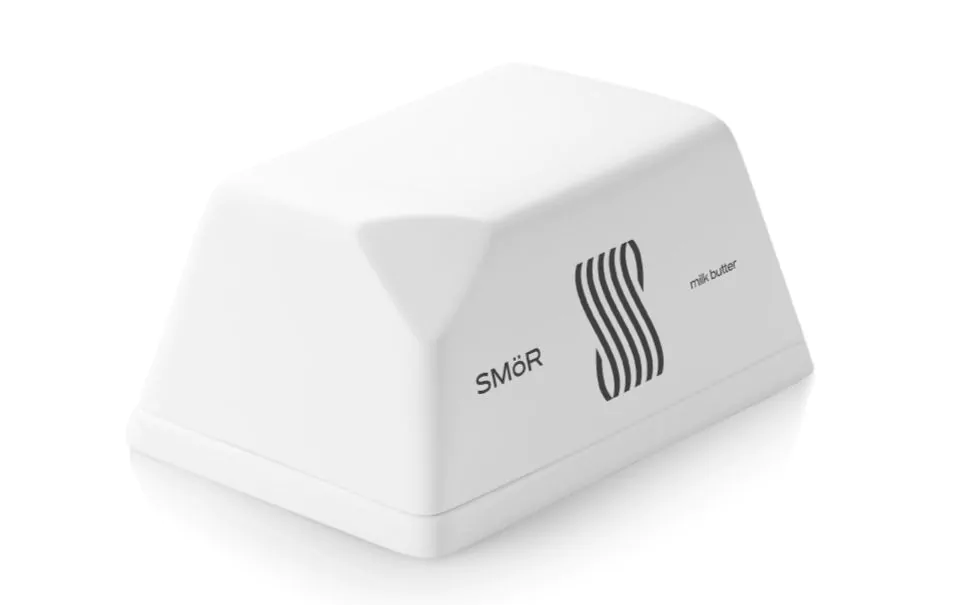
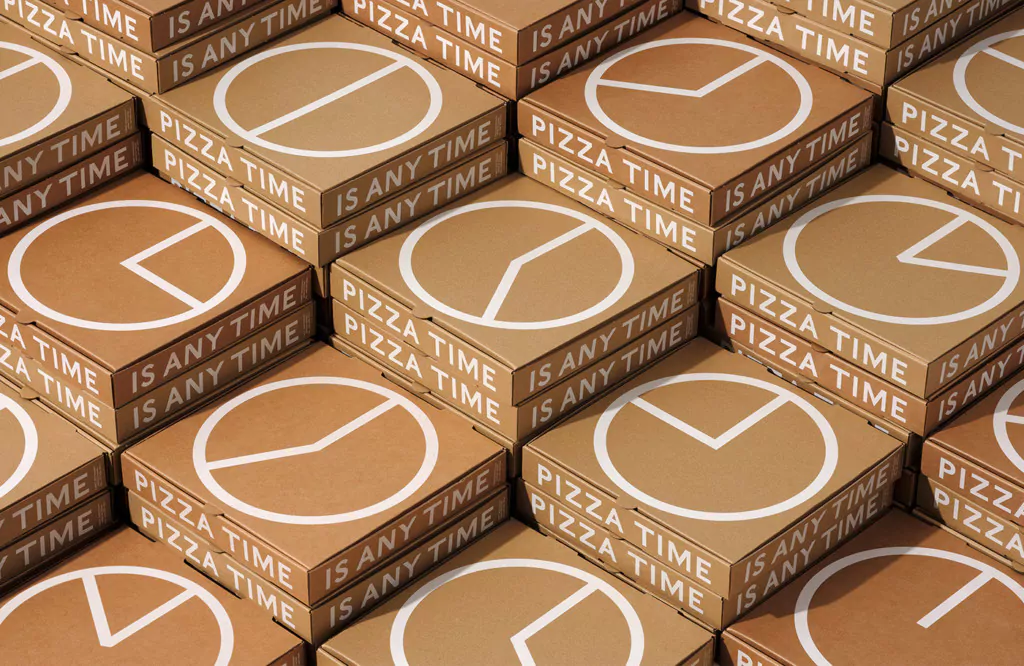
Modern packaging design is now using the ‘simplicity is key’ mantra to its look and feel, the rationale behind the design shift is our insights are telling us, it communicates sophistication and quality, which makes it stand out from the crowd.
- Simple Design: Less is more, clean lines win over clutter, white space create a more refined look. Thus approach will make the product you are selling look premium, quality and more refined.
- Quality Ingredients: Highlighting the origins and purity of ingredients through minimalist design, reinforces the brand’s commitment to quality and health.
3. Vintage and Retro Design Styles
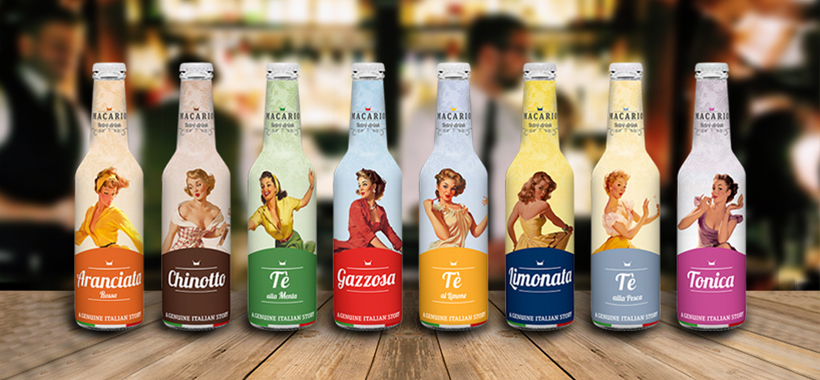
Nostalgia is a powerful design tool, vintage and retro design elements always evoke a sense of authenticity and timelessness.
- Nostalgic Elements: Vintage fonts, colour schemes, and imagery transport shoppers to times gone by, we often think and comment things were better back then, its just human nature, using this design trend creates an overall sentimental connection.
- Retro Shapes: Classic packaging and graphic shapes and styles promote the nostalgic appeal and can stand out in a market dominated by modern designs, which is why we use them.
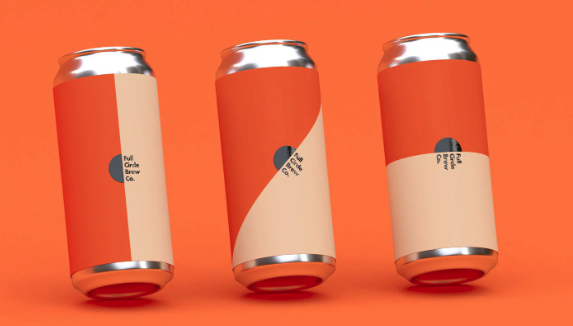
4. Bold and Bright Colours
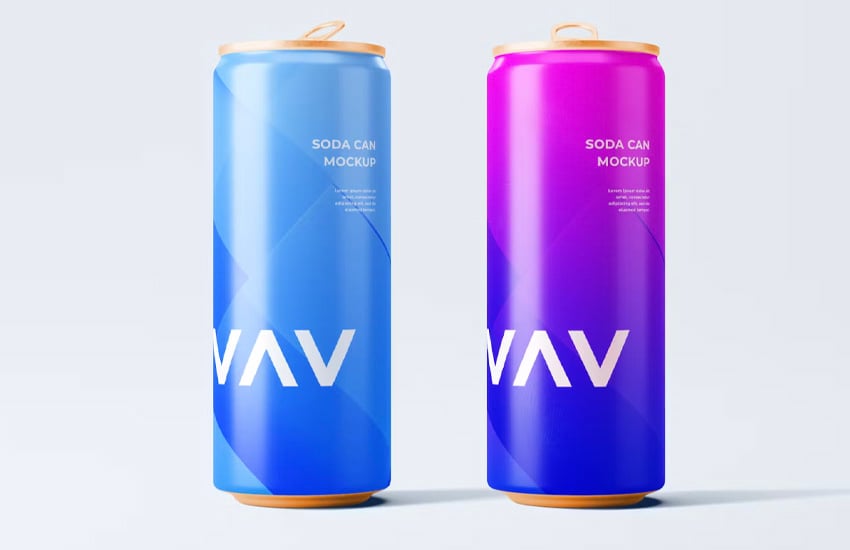
The F&B market is just so competitive, bold and bright colours have always been an essential design element for grabbing shopper attention, the boldness go colour is becoming braver and more noticeable.
- Vibrant Colours: Eye-catching, stand out vibrant colours make products leap out and appeal to younger, trend-conscious shoppers.
- Contrasting Colours: High-contrast color combinations create visual impact and enhance brand recognition on shelf and in the kitchen cupboards.

5. Handcrafted and Artisan
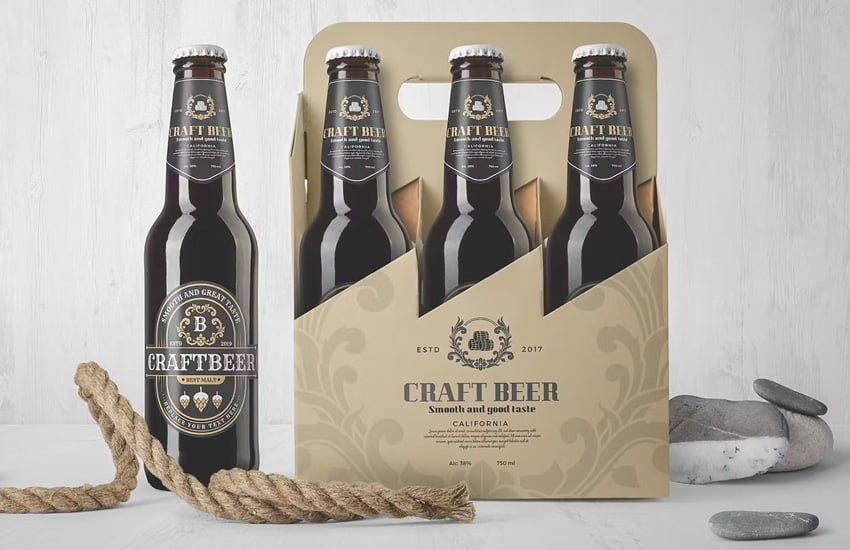
Shoppers have always valued authenticity and craftsmanship, hand drawn illustrations are making a strong comeback.
- Hand-Drawn Illustrations: Incorporating hand-drawn elements and illustrations into design gives the outcome a personal touch, makes the product looked loved and unique.
- Textured and Natural Finishes: Textured materials and natural finishes enhance the tactile experience, making the product feel special and more handcrafted.


6. Transparency and Honesty
Two critical components we see in latest designs as they help build shopper trust.
- Ingredient Transparency: Clearly labeled ingredients and nutritional information help shoppers make informed choices.
- Authentic Storytelling: Sharing the brand’s story, values, and sourcing practices directly on the packaging creates a deeper connection with consumers.
7. Customisation
Personalised packaging creates a unique consumer experience and fosters brand loyalty as well as looking great.
- Customizable Labels: Allowing customers to personalize packaging with names or messages adds a special touch.
- Limited Editions: Offering limited-edition packaging designs creates a sense of exclusivity and urgency, appealing to collectors and brand enthusiasts.
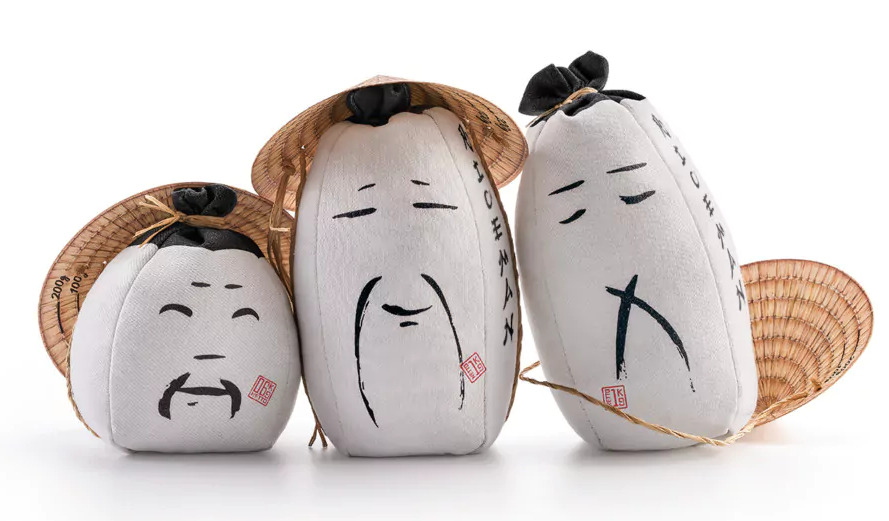
8. Cultural and Regional Influences
Drawing inspiration from local cultures and traditions can make a brand more relatable and authentic.
- Local Inspirations: Designs inspired by local art, culture, and traditions help brands connect with regional consumers.
- Global Fusion: Combining elements from different cultures creates a unique and diverse aesthetic that appeals to a broad audience.
9. Functional and Ergonomic Design
Practicality is key to a successful packaging design. Functional and ergonomic designs improve the consumer experience.
- Easy-to-Open Packaging: User-friendly packaging that is easy to open, close, and store enhances convenience.
- Portability: Designing packaging for on-the-go consumption caters to busy, modern lifestyles.
10. Health and Wellness Focus
With health and wellness becoming a priority, packaging designs that convey these values are gaining popularity.
- Clean and Healthy Imagery: Imagery and colors that suggest healthiness, such as greens and natural motifs, attract health-conscious consumers.
- Functional Benefits: Highlighting health benefits and functional ingredients prominently on the packaging communicates the product’s value.
11. Digital and Social Media Integration
Integrating digital elements and social media into packaging design encourages consumer interaction and engagement.
- Social Media Handles and Hashtags: Including social media information encourages online engagement and sharing.
- User-Generated Content: Featuring user-generated content or reviews on the packaging builds community and trust.
Conclusion
The latest food and beverage design trends reflect a dynamic blend of sustainability, simplicity, nostalgia, boldness, and technological innovation. By embracing these trends, brands can create packaging that not only stands out on the shelves but also resonates deeply with consumers’ values and lifestyles. As the industry continues to evolve, staying attuned to these trends will be key to maintaining relevance and driving brand loyalty.
