Why Strong Branding is the Secret Ingredient to Food & Beverage Success

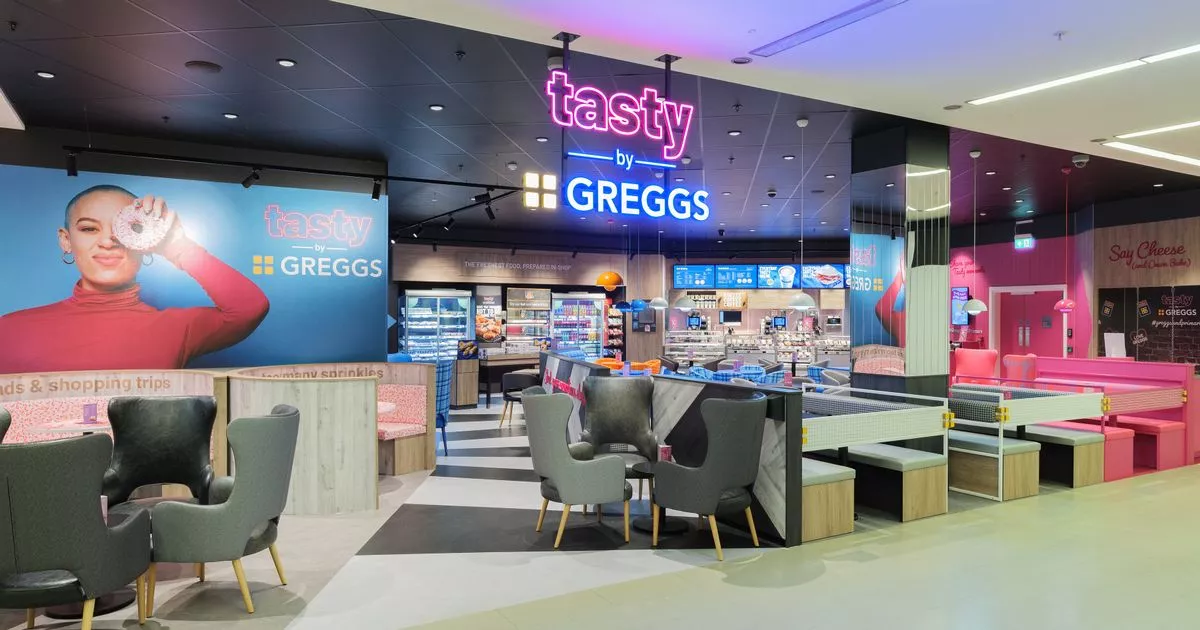
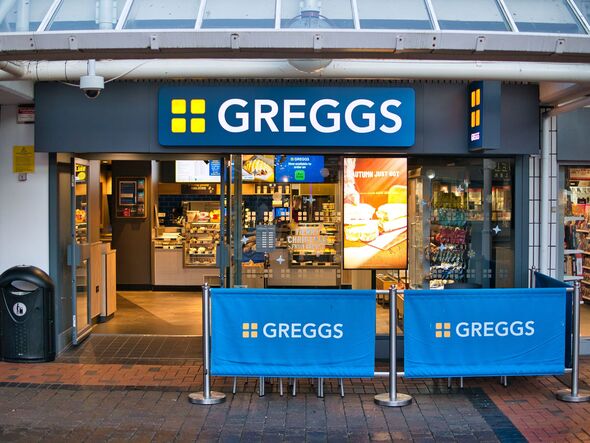
    In the fast-paced world of food and beverage, taste alone isn’t enough to build lasting success. While delicious flavours, and sort after products keep customers coming back, it’s your brand that gets them through the door in the first place. Whether you’re running a restaurant, café, or launching a product, strong branding is the foundation that sets you apart in a crowded market. One of the best examples on the British high street is Greggs! Whatever you think about Greggs you cant argue with its branding, it is one of the strongest brands in the UK, and its success comes from a combination of consistency, accessibility, and an emotional connection over time it has formed with its customers. I mean who knew a simple sausage roll priced to suit the lower end of the market would eventually make it to No1 Leicester Square London! Well played Greggs!!
    Branding Goes Beyond a Logo

    When people think of branding, they often picture a logo or color scheme. But in most industries, branding is an experience. It’s how your business makes customers feel, the story you tell, and the identity that ties your products and online personality together. A strong brand is the promise you make, and one you need to consistently deliver to your customers.

    Why Branding Matters for All Food & Drink Establishments

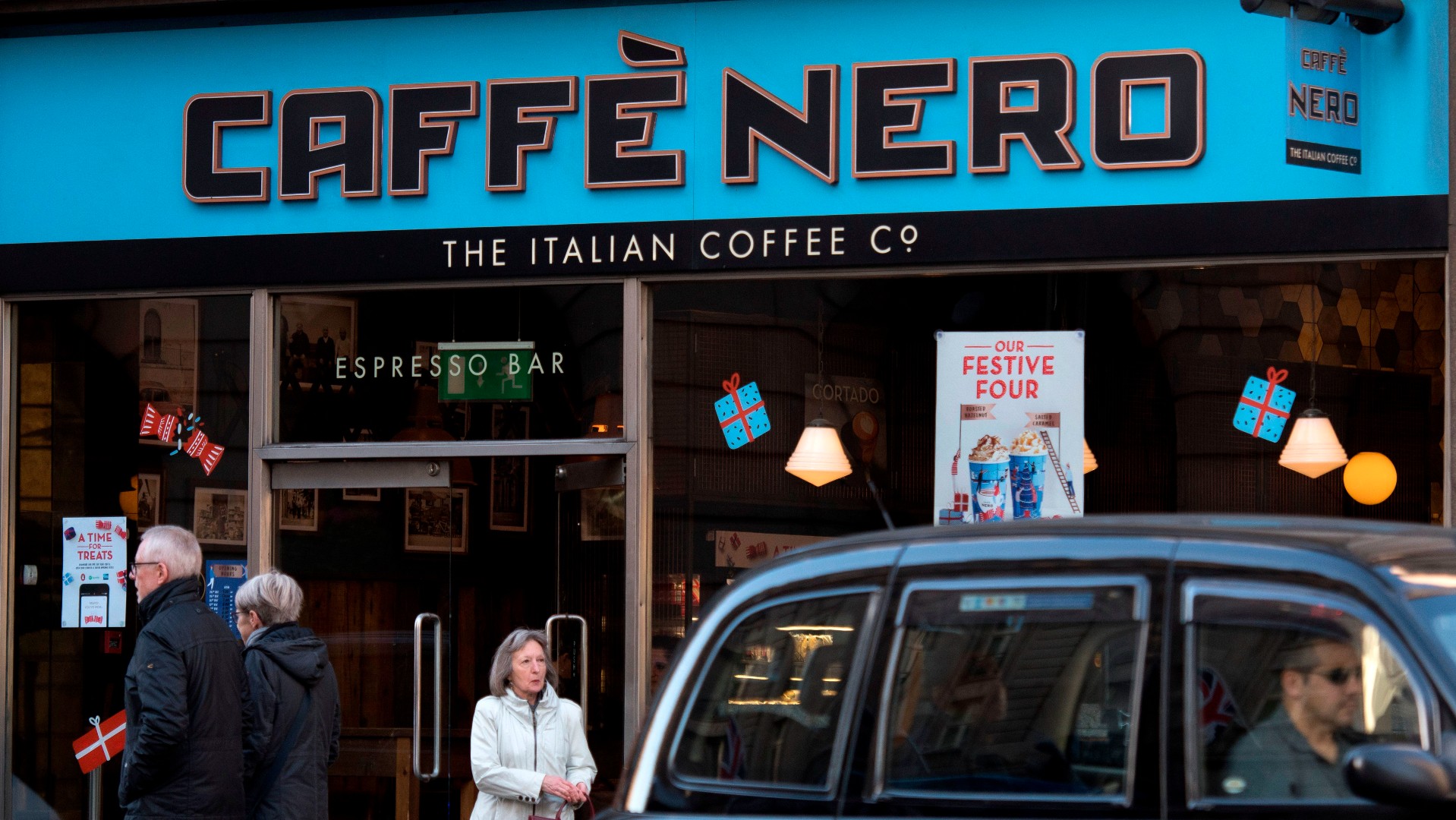
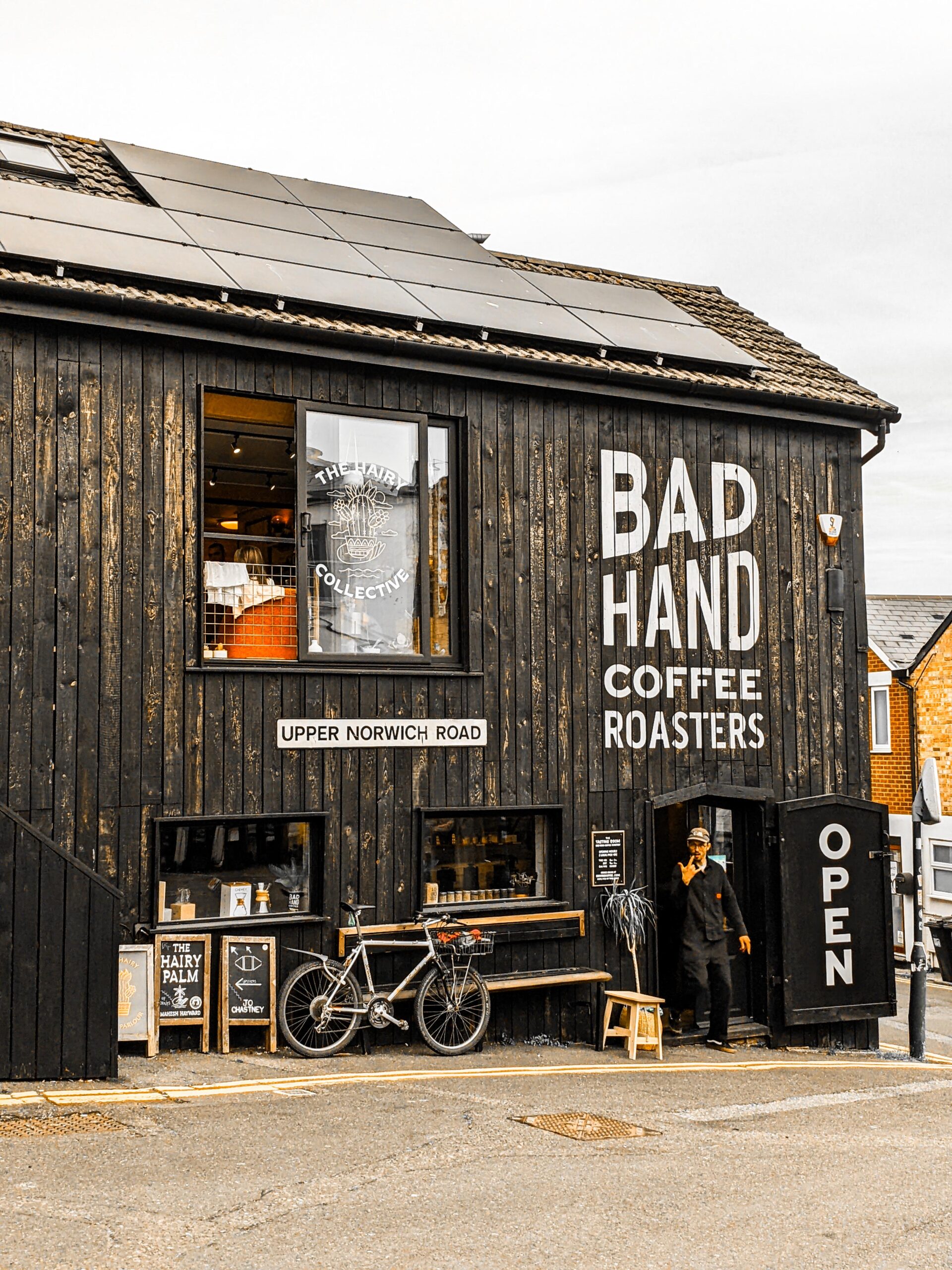
    For restaurants, cafés, and bars, branding is the difference between being just another option and becoming a destination / local favourite.

    • Recognition & Trust – When customers instantly recognise your outlet by its name, style, tone, and design, it creates trust and loyalty.
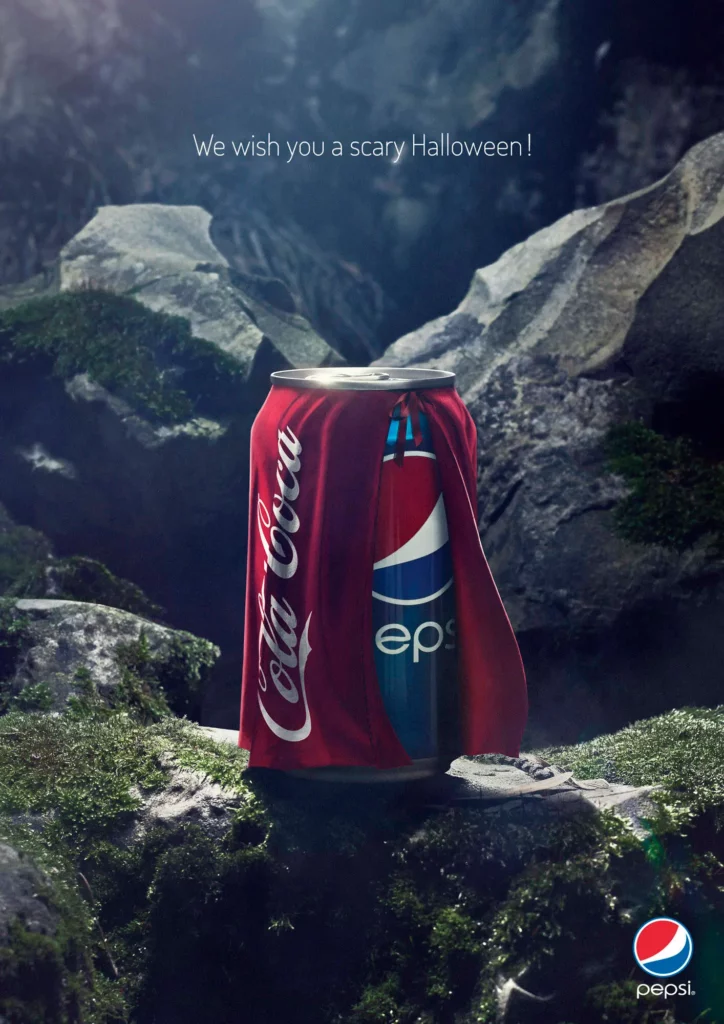
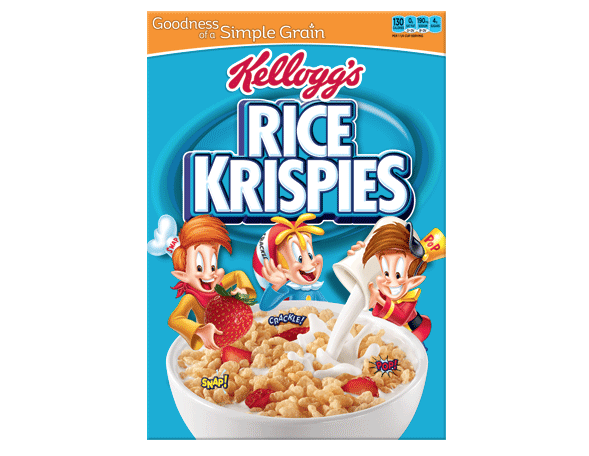
    • Memorability – A strong brand will make you unforgettable. Think about how iconic chains use colours, mascots, or taglines to become memorable.
    • Touchpoint Consistency – From your signage to your Socials, customers should experience the same personality and promise. This consistency builds reliability and a definite brand connection.
    • Loyalty – When customers identify with your brand values, they become ambassadors, sharing their experiences and bringing in others.

    Why Branding Matters for Food Products

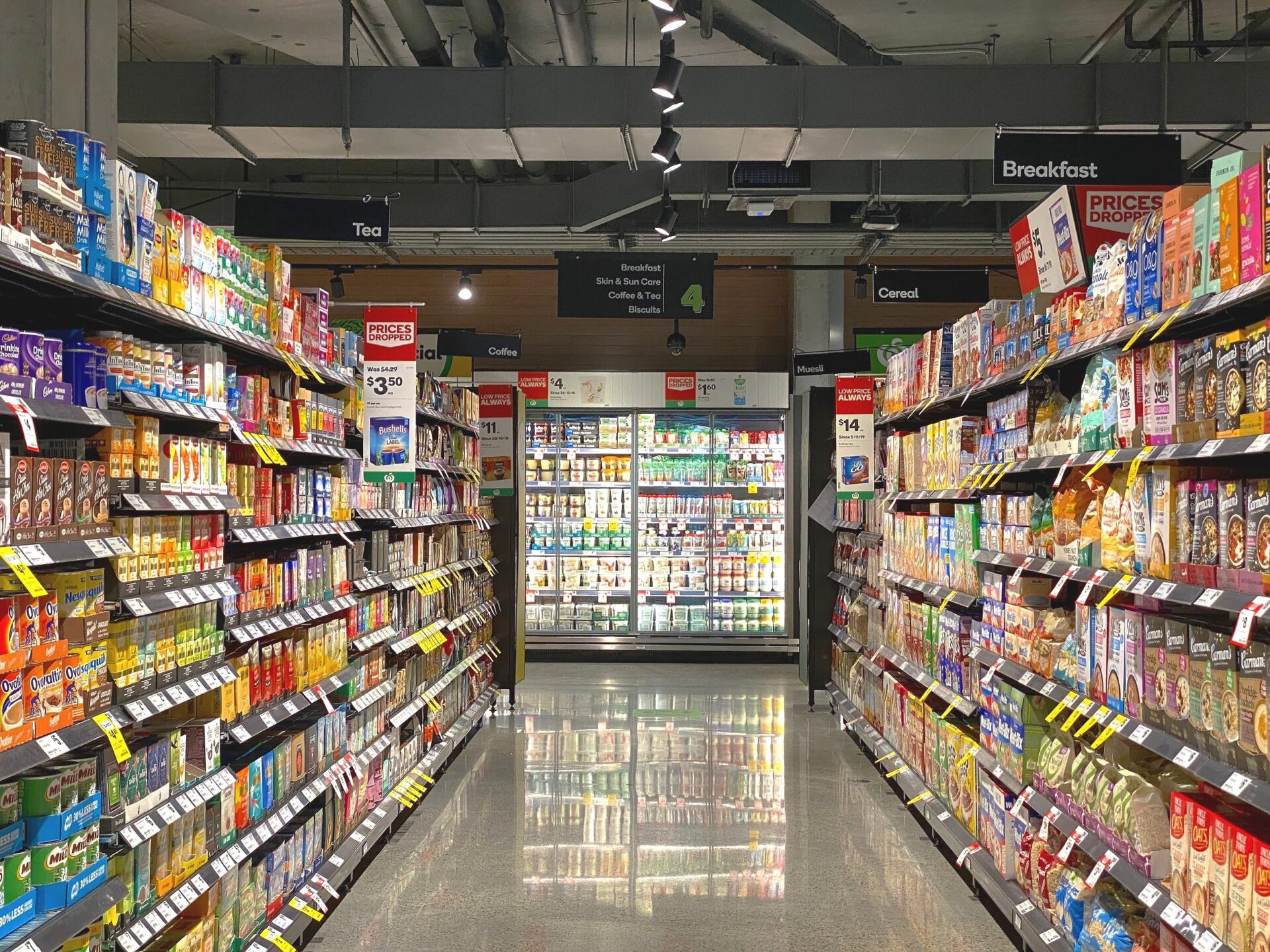
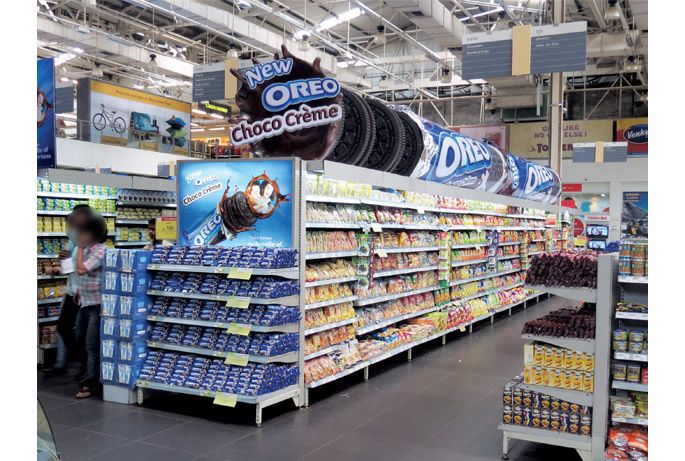
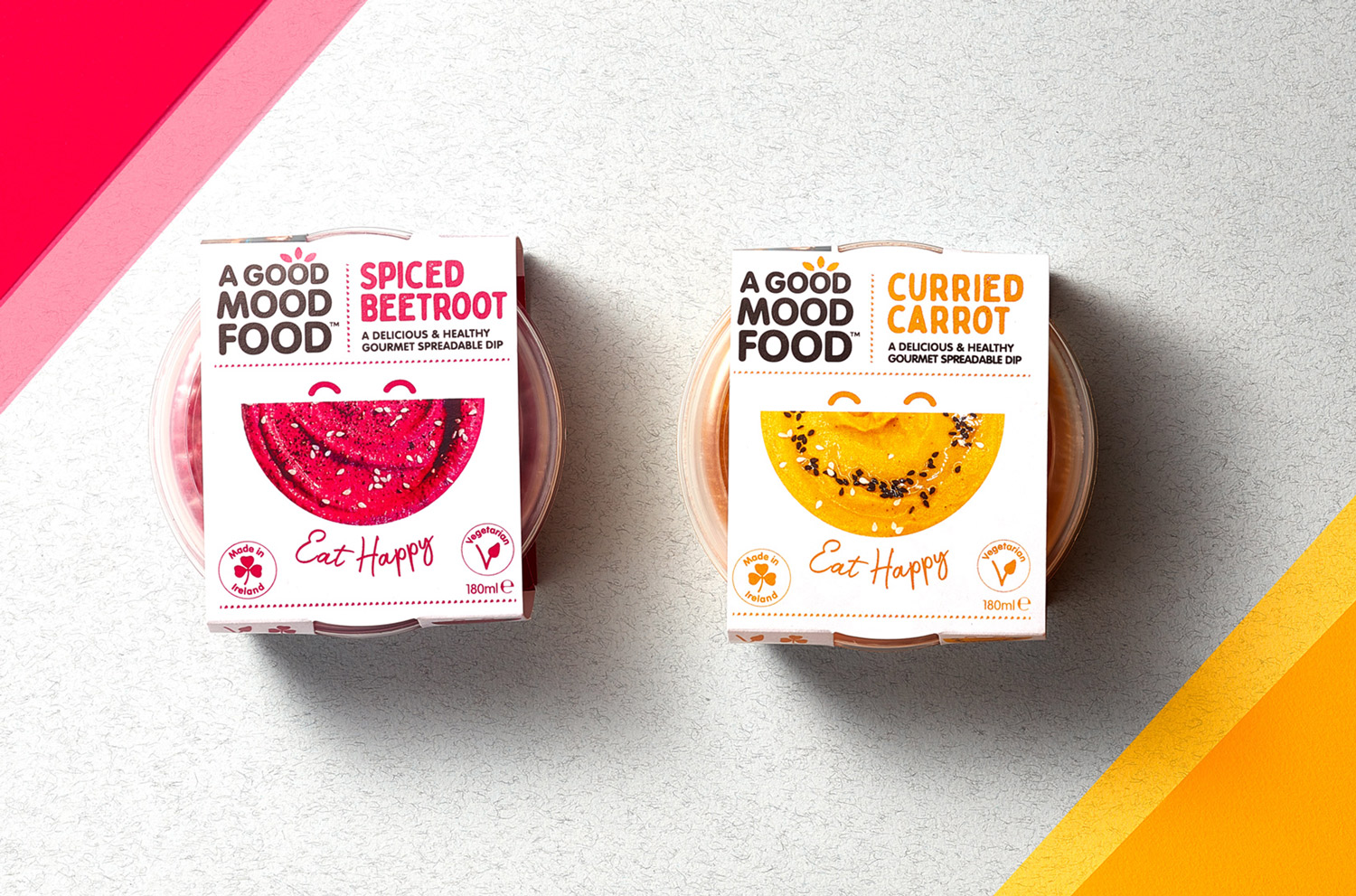
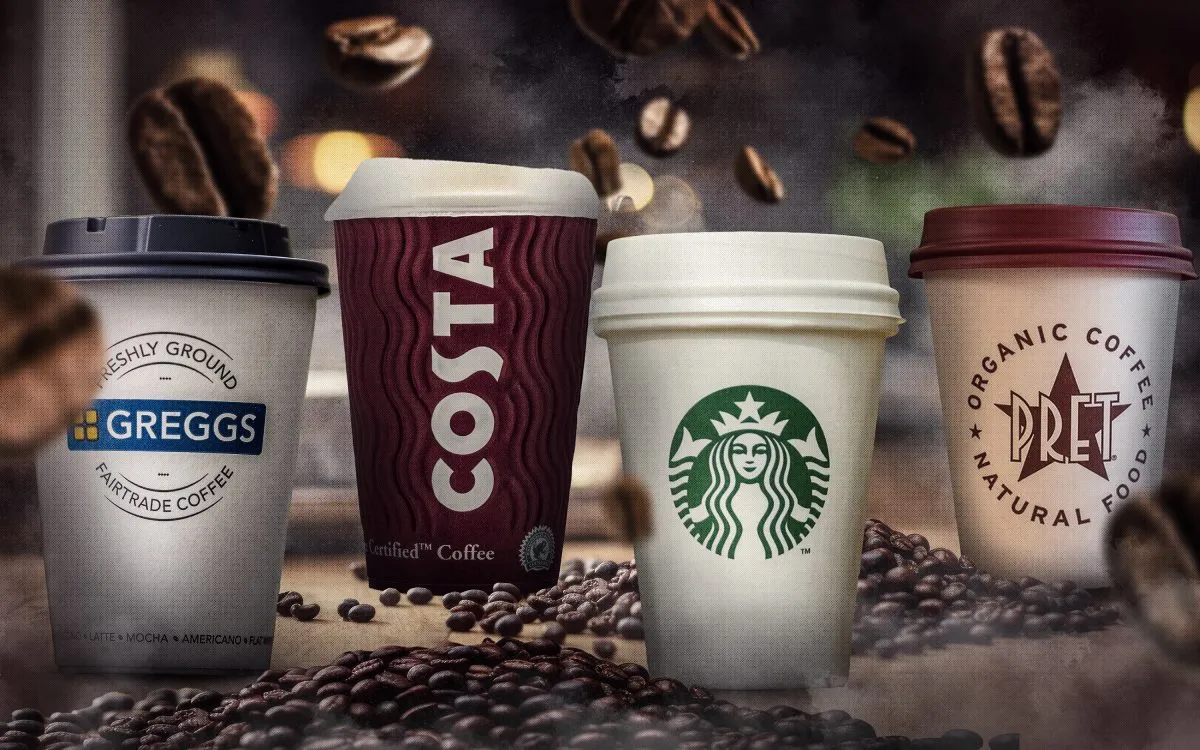
    If you’re in the packaged food or beverage space, branding is just as critical. Shelves are crowded with competitors, and strong branding helps you stand out.

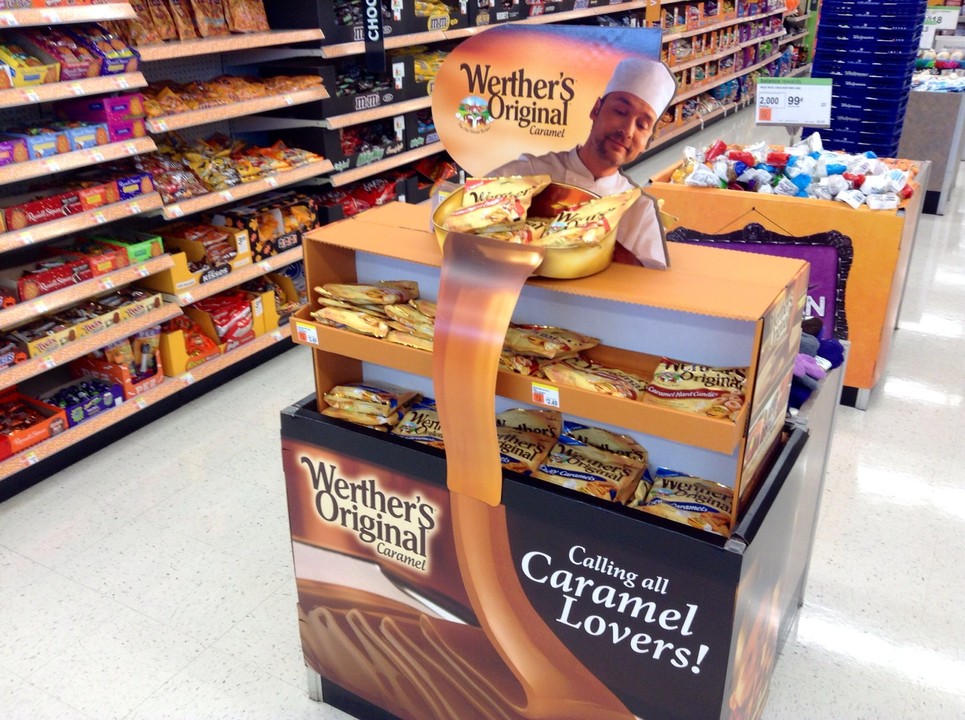
    • Shelf Appeal – Attractive, well-branded packaging catches the eye and gives you an edge in impulse purchases.
    • Perceived Quality – Customers often associate good branding with high-quality products. A premium look and feel can justify higher price points.
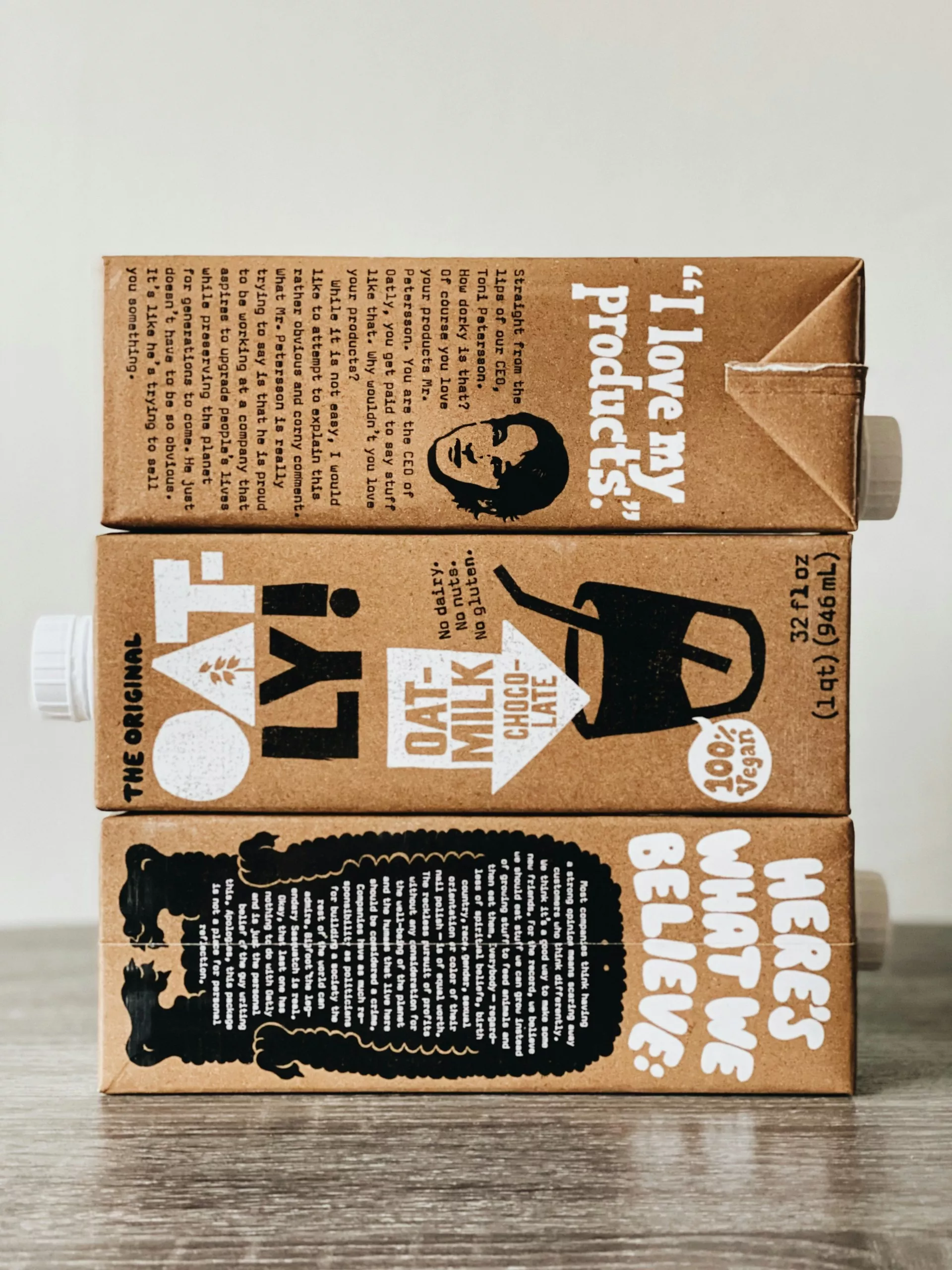
    • Storytelling Power – Consumers are increasingly buying into stories: organic sourcing, sustainability, local ingredients, or cultural heritage. Strong branding communicates this instantly.
    • Differentiation – With so many similar products available, branding is often the deciding factor. Why should a customer pick your product over another? Your brand gives them the answer.
    Building a Strong Brand: Key Ingredients

    1. Define Your Identity – What makes your outlet or product unique? Pinpoint your core values and personality.
    2. Know Your Audience – Understand who your ideal shoppers are and what resonates with them.
    3. Be Consistent – Every interaction should feel like part of the same story. Keep your voice, visuals, and message aligned.
    4. Create Emotional Connection – Food and drink is emotional. Use branding to tap into feelings of comfort, excitement, indulgence, or health.
    5. Invest in Design – Good design is never wasted. From logos to menus to packaging, professional branding elevates your business.

    The Takeaway

    In food and beverage, taste may win hearts, but branding wins markets. A strong brand not only attracts new customers but also keeps them coming back, turning one-time buyers into loyal advocates. Whether you’re a barista, chef, or stacking products on supermarket shelves, branding isn’t an afterthought, it’s your business’s most valuable asset and will guarantee long-term success.

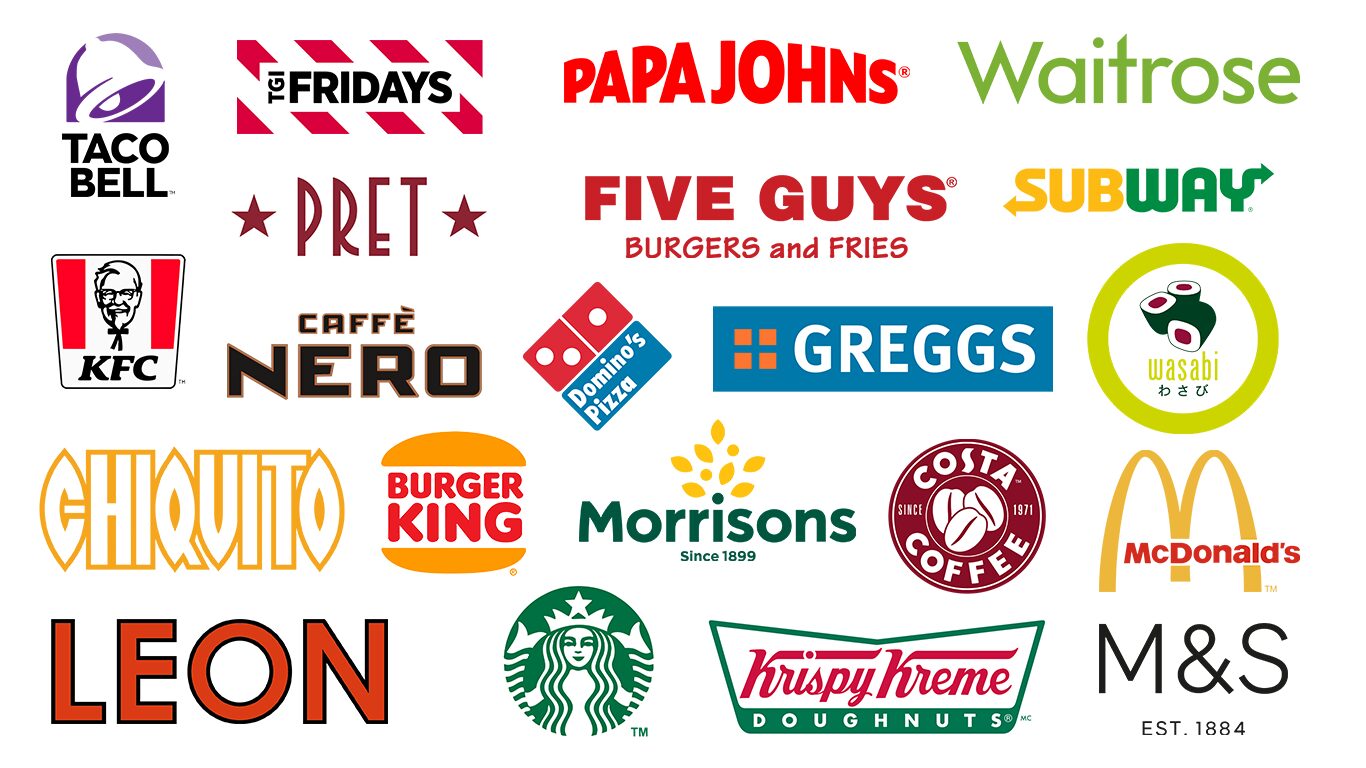
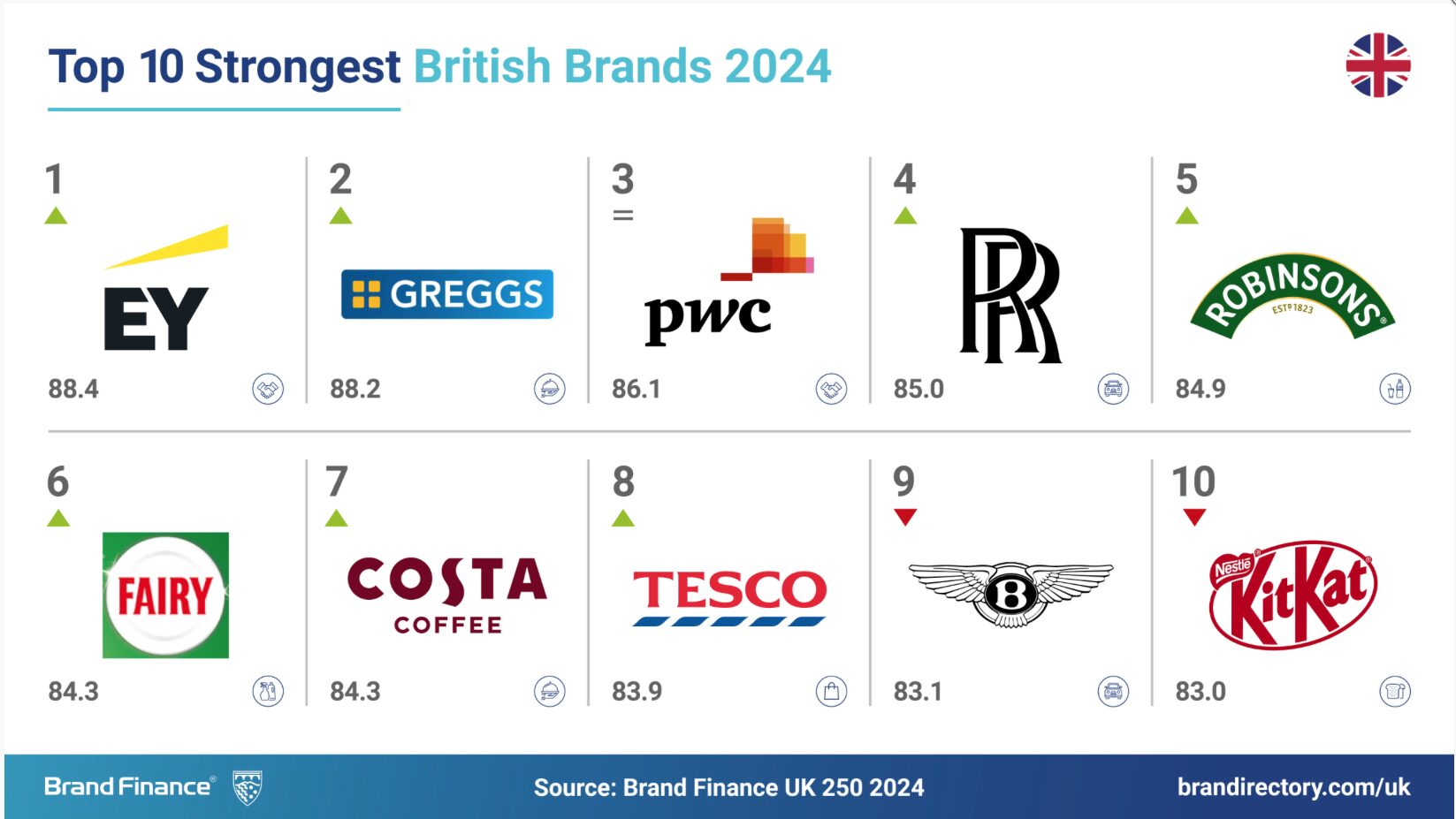
    In 2024 the commercial performance of our strongest brands created the below pecking order. Us Brits certainly do like a Greggs : )
    Screenshot

    F&B Shopper Marketing

    Effective Design forms Shopper Marketing

    Everyone gets up in the morning to a different mindset, its this human differentiator which allows design to be viewed in so many different ways, whether we are in a cafe, a supermarket, a car or even just imagining stuff, design is absolutely critical in processing our thoughts. Shopper marketing feeds off this emotional need-state, it is a strategic approach to understanding and influencing our shopper behaviour at the point of sale.

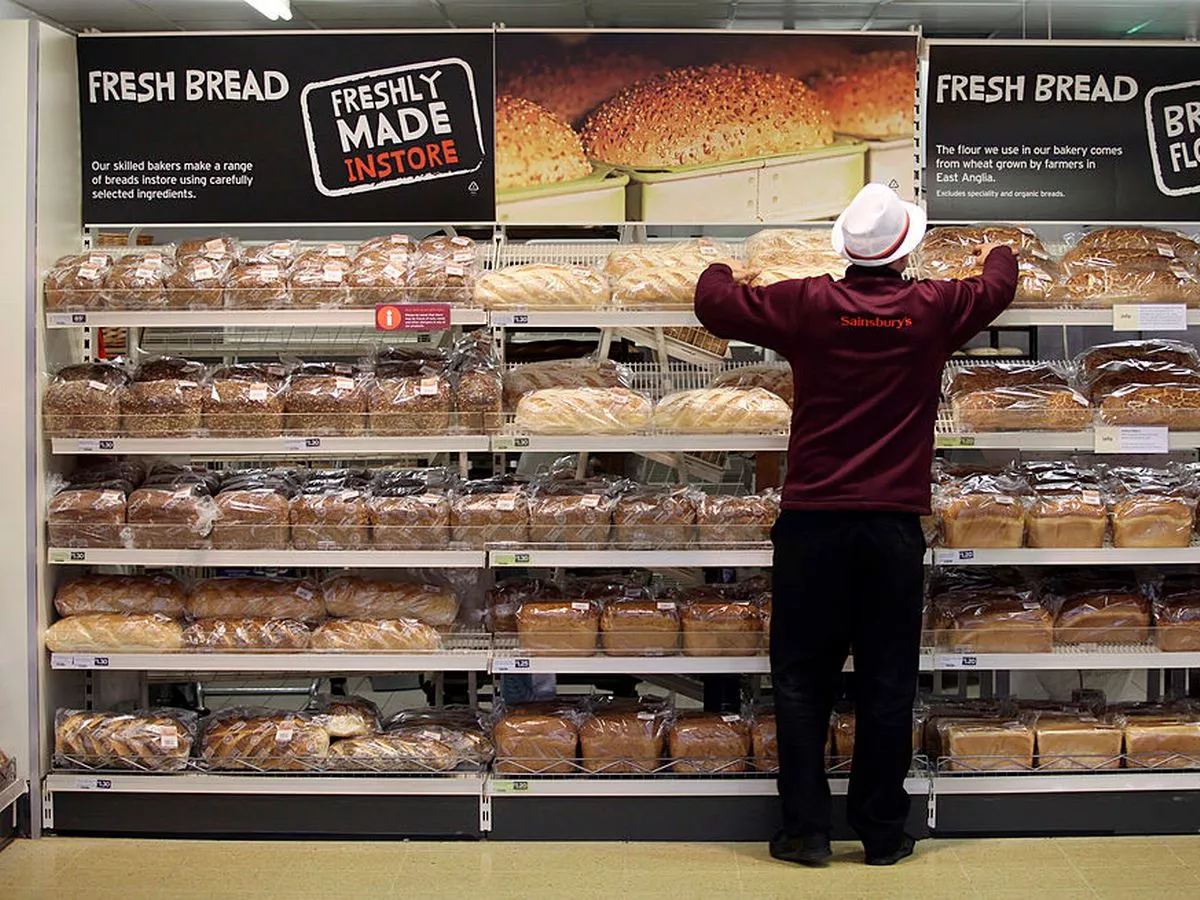
    In an extremely overcrowded marketplace, strategic shopper marketing is no longer optional—it’s a necessity! Let’s take a look at how food and beverage design impacts shopper behaviour and how brands, that embrace the process can make a lasting impression.

    The Power of First Impressions

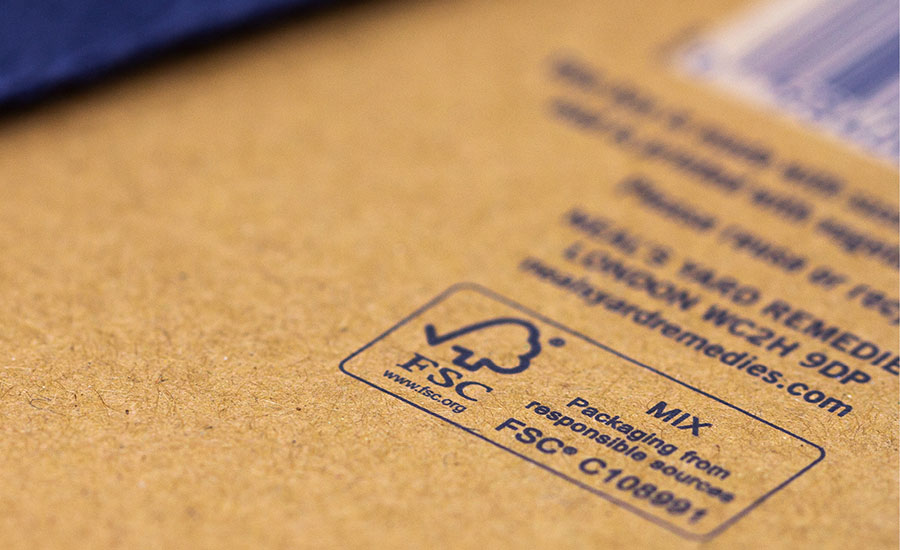
    In the food and beverage industry, packaging is arguably one of the first below the line handshakes between a brand and its shopper, a focussed, effectively designed product packaging is a crucial shopper marketing touchpoint which will help you win at the till. Vibrant colour’s, specifically designed, clear fonts, sustainable messaging, a personal hook, and appetising visuals can immediately influence your shopper into a state of hunger, thirst, or curiosity. Starbucks don’t write your name on the cup because its friendly, for the same reasons Coca Cola didn’t just fancy personalising drinks packaging, the shopper marketeers told them to because the design research all pointed to that particular F&B trend at the time. In the food and beverage industry, packaging is arguably the first below the line handshake between a brand and its shopper!

    The Shopper Journey

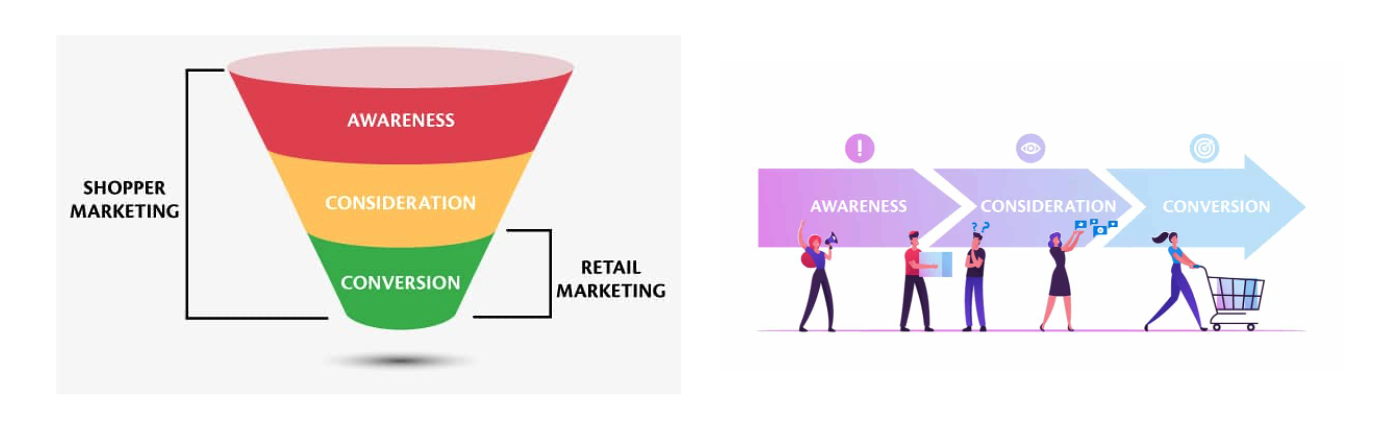
    Today’s shopper journey is HUGE! often begining online. Digital touch-points, from social media to e-commerce platforms, amplify the importance of consistent, visually compelling design. Many agencies nowadays, photograph their work and see how it looks on the social media channels before presenting to the client, I know we do : )

    Influencing buyers at the point of purchase through effective design is a key part of visually delivering the result of the marketing plan, shoppers will come to their decision, often within seconds. The design influences shopper decisions by telling a story, creating an experience, and driving purchase decisions. As consumer expectations evolve, brands must innovate and adapt their design strategies to stay competitive in this ever changing dynamic space.

    • Attracting Attention : Innovative shapes, textures, or bold typography draw eyes in an often cluttered environments.
    • Highlighting your Brand : Push home your products USP, such as sustainability, luxury, quality, original, healthy, make it personal for your shopper.
    • Conveying Key Messages : Packaging should clearly highlight attributes like “Quality,” “organic,” “low-calorie,” or “high-protein” to meet shopper priorities, play the simplifier it always helps the decision making.
    • Impulse Purchases : Strategically placed and designed products where shoppers dwell leverages impulse buying behaviour.
    • Emotional Connections : Imagery, nostalgia, colours can all spark an emotional response in your shopper, improving your conversion rates.
    • Sustainability : Less of a nice to have and more mandatory requirement than ever before, it really matters to shoppers they are buying sustainable products no matter what the product is.
    • Promotions : Buy me and get something free, or at least the chance to get something back if you do.

    By blending effective, creative design with shopper insights, D2 F&B Creative transform simple products into a branded irresistible choices, and lacklustre environments into F&B destinations!

    The Digital Dining Experience

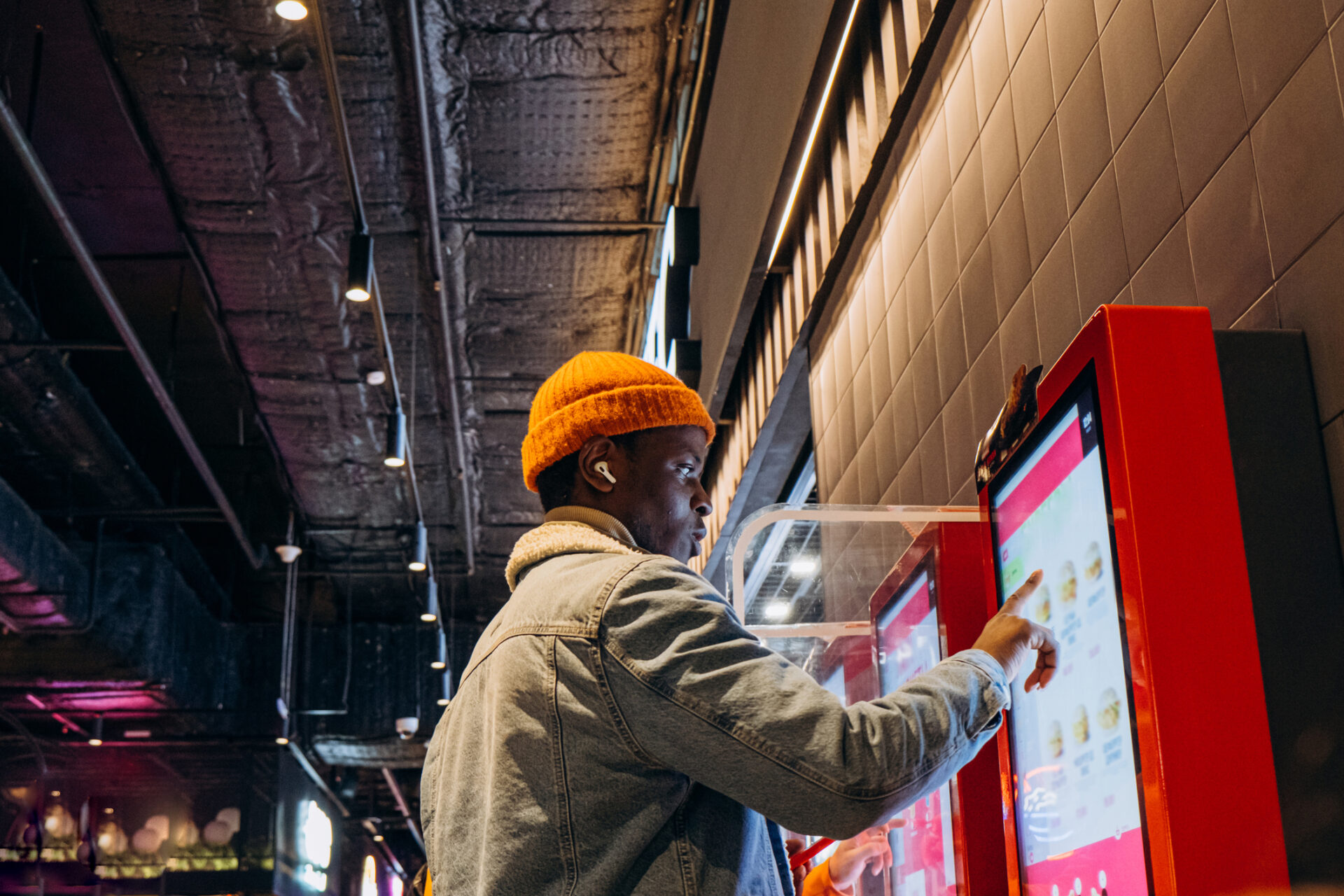
    By embracing digital food menus, food outlets and restaurants are not only offering a modern and personalised dining experience but are also future-proofing their businesses for the evolving demands of the food and beverage industry. The shift towards digital menus isn’t just a trend, over recent years, businesses have seen numerous features and benefits that the digital revolution has to offer to them.

    We live in a fast-paced, tech-driven world, nearly every aspect of our lives has gone digital in some way, our dining experience is no exception. One of the most significant innovations in the food and beverage industry in recent years are digital food menus. Whether via mobile devices, tablets, or QR codes, digital menus have revolutionising how diners interact with restaurants, bistros and cafes all over the world. From affecting operational efficiency or enhancing customer satisfaction, digital menus offer multiple benefits that have made them more of a 2024 necessity rather than a nice to have.

    What Are Digital Food Menus?

    Digital food menus refer to electronic versions of traditional printed menus, accessible through smartphones, tablets, or online equipment. Customers can review the food offer, view these menus by scanning QR codes or using apps or websites that host the food offer. An effectively designed menu will affect sales like you wouldn’t believe as we will cover throughout the rest of this blog. The digital shift took hold during the COVID-19 pandemic when businesses were seeking contactless solutions, but it has since continued to thrive in the post-pandemic world due to its convenience and versatility.

    The Advantages of Digital Menus

    Enhanced Customer Experience

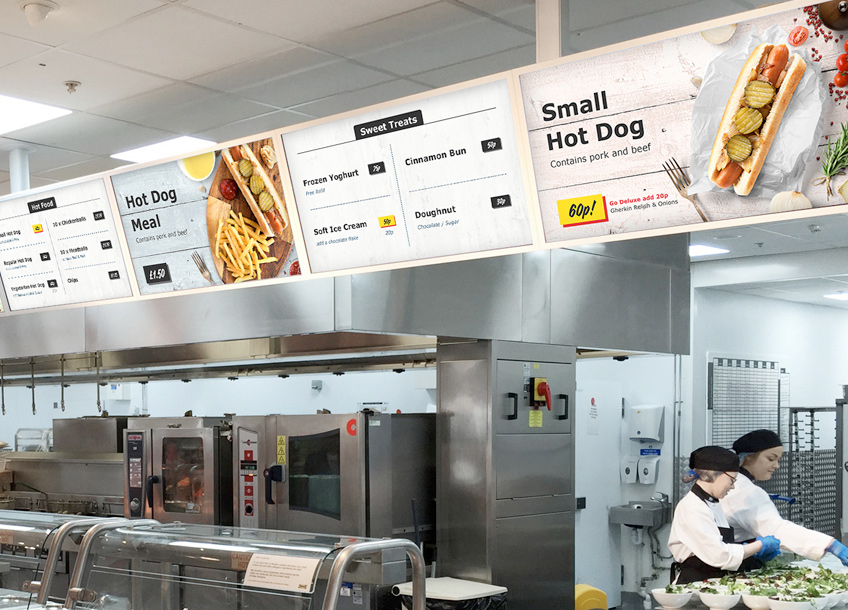
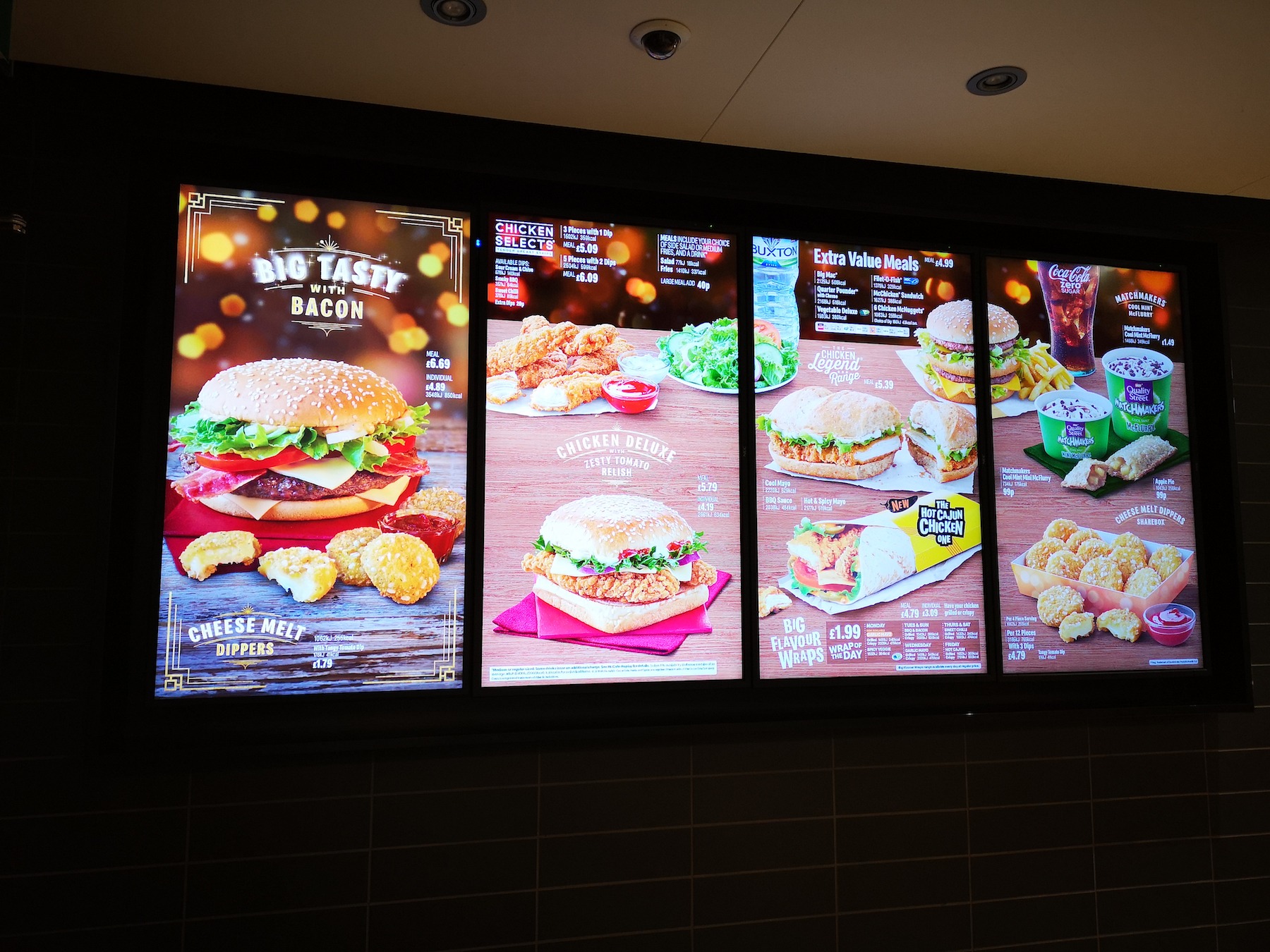
    Digital menus offer the opportunity to be a more attractive and engaging experience to customers than static menus, by delivering a more engaging shopper experience you can resonate with the viewer and sell more. By placing images of food, descriptions of ingredients, and nutritional information can be displayed prominently across one or a bank of screens. The option of including videos of chefs, or a flaming grill, again will elevate the dining experience. Additionally, these menus can cater to diverse customer needs by offering translations and dietary filters, such as vegan, gluten-free, or keto options. The advantage of a digital menu is endless.

    Increased Operational Efficiency

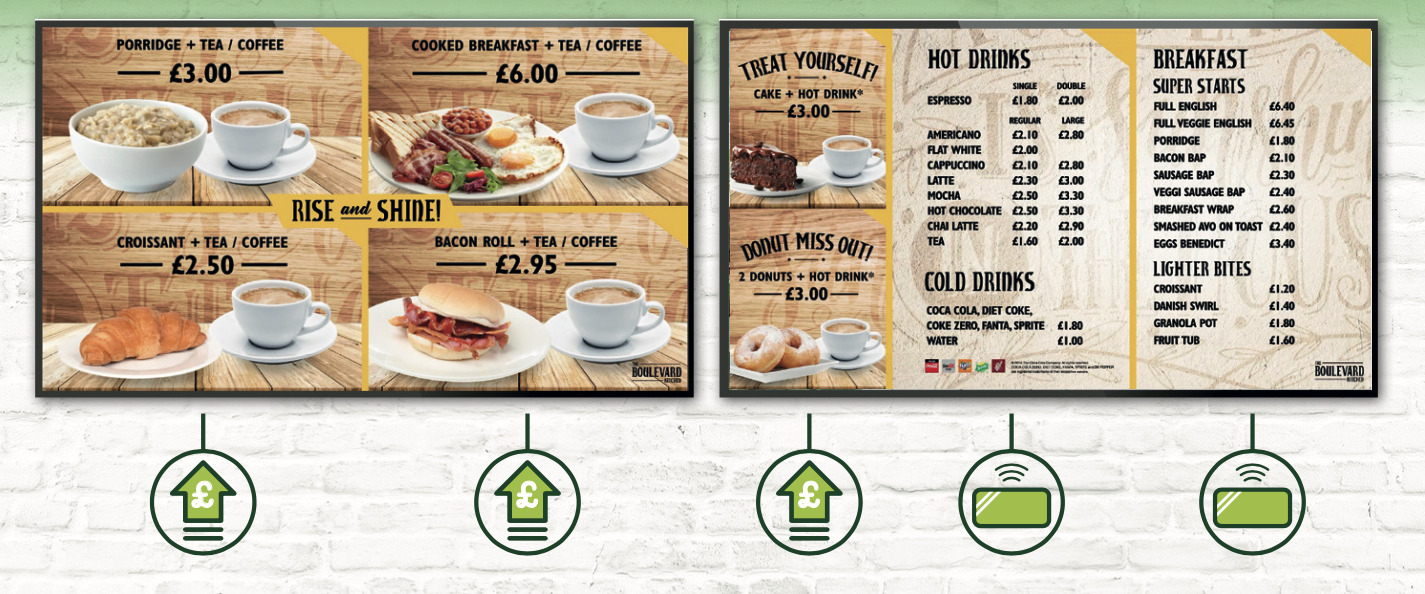
    Food and drink establishments can update their digital menus in real time, eliminating the cost and hassle of reprinting static boards. This allows for the easy addition of seasonal specials, price adjustments, and the immediate removal of items that are out of stock. With these features, stock taking has never been easier and reacting to the weather or specific customer demands effectively has never been easier.

    Eco-Friendly Solution

    Digital displays will reduce your environmental footprint. This aligns with growing consumer demand for sustainable business practices, as more diners seek out eco-conscious brands. Digital menus save resources and help reduce waste, contributing to a more sustainable dining industry. In 2024 this is a really important matter we are all aligning ourselves to!

    Data Collection and Personalisation

    Digital menus can integrate with customer management systems and collect valuable data, such as customer preferences, order history, and peak dining times. This data can be leveraged to provide tailored experiences, like recommending favourite meals or offering special promotions. Restaurants can also use analytics to optimise their menu design, highlighting best-selling items or improving pricing strategies. Data is knowledge and knowledge is power!

    How Digital Menus Help Us Adapt to Modern Challenges

    Our world has become inpatient, our younger generation especially cant wait, we want everything on demand, digital menus provide us with the tools to remain competitive. A digital menu system is quick as well as informative, if you design the content correctly, you have an opportunity for a quick sale as well as an upgraded sale. Modern times mean health & safety regulations everywhere, digital menus are highly unlikely to fall down, the modern world has nailed the installation of digital displays. A decent digital platform enables the business to be able to offer a click and collect or delivery service also, all of the fast food delivery services are digital ones, it really has revolutionised our dining experience for good and for not so good reasons.

    Challenges of Digital Menus

    Despite their numerous advantages, it’s not all plain sailing for the digital arena. For some diners, particularly older customers or those less tech-savvy, digital menus can be intimidating or difficult to use, sometimes a food image and a price which doesn’t move is all we need. Poor connectivity or malfunctioning devices can also cause frustration and slow down service, we depend on the internet and connectivity so much now, can you imagine what would happen if we had a power cut or someone flicked a switch… We rely on technology for life now, but it would always be a good idea to have a contingency plan, just in case the unthinkable happens.

    The Future

    Technology is continuously evolving, and will continue to change that’s a certainty which makes the the future of digital menus so exciting. Integration with augmented reality (AR) could allow diners to visualize dishes in 3D before ordering, and artificial intelligence (AI) may be used to personalise menus even further, curating suggestions based on an individual’s dietary preferences, past orders, and even the weather! Moreover, voice-activated menus are emerging, making it easier for people with disabilities to navigate menus independently. The integration of digital menus with payment gateways may also lead to faster and more seamless ordering and checkout processes. The future is a digitally bright one where digital menus are concerned.

    Conclusion

    Digital food menus represent the future of dining, offering benefits that range from increased operational efficiency to enhanced customer experience. As the hospitality industry continues to embrace technology, food and drink establishments that adopt digital menus will not only streamline their processes but also stay ahead of evolving consumer preferences. Whatever the type of diner you are, it’s clear that digital menus are here to stay, transforming the way we order, enjoy and consume food and drink.