A Hot Chocolate Story
28/11/2023
Hot chocolate has been with us for thousands of years, and is attributed to the olmec civilisation of southern Mexico, and was originally known as xocoatl a word derived from both the mayan and aztec cultures. Xocoatl was typically made with chillies, water, toasted corn and served lukewarm and frothy. It was the Spanish who added cinnamon, sugar and other spices to the cacao based drinks some decades later, putting it on the indulgent path we recognise today.
The pure cacao drink that early Mesoamericans crafted was high in calories and antioxidants, and delivered a jolt of caffeine. So naturally, back then they believed it had restorative properties. Aztec warriors would often drink cacao before going into battle. The drink also gained a reputation as an aphrodisiac, which, when the recipe came to Spain in the 16th century, monks locked it away for a time, to prevent widespread philandering.


As chocolate drinks became widely consumed during the 16th and 17th centuries, mainly amongst the moneyed class, a debate emerged: Was it a drink or was it food? The distinction would dictate whether Europe’s Roman Catholics could imbibe during religious fasting, which occurred numerous times throughout the year. The argument went all the way to Pope Gregory XIII (1572-1588), who decided that drinkable chocolate was fine to consume while fasting. Future popes would agree. Yet the debate raged on, with many clerics banning chocolate drinks during religious based fasting times.
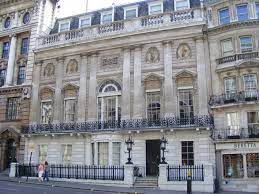
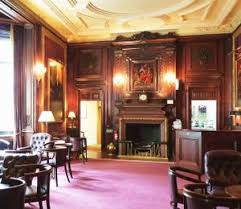
In 17th-century England, so-called “chocolate houses” became all the rage. Establishments like Whites which is still in business today, served up hot chocolate to go along with the political banter, gambling and general debauchery. They served the drink in pitchers made out of gold, silver and porcelain, needless to say, these were very elite gatherings.
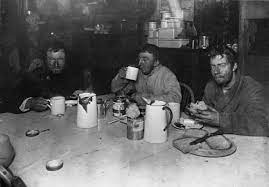
British explorer Robert Falcon Scott and his men subsisted off hot cocoa and stew during their yearlong trek to the South Pole. The expedition made it to the pole in January 1912, only to find that a Norwegian team led by Roald Amundsen had gotten there a month prior. Tragically, Scott’s team ran out of provisions on the return journey and perished, while Amundsen, who had packed five times as much cocoa, returned a hero. Decades later, in 1989, the six members of a sled dog expidition across Antarctica consumed nearly 2100 packets of Swiss Miss hot cocoa.
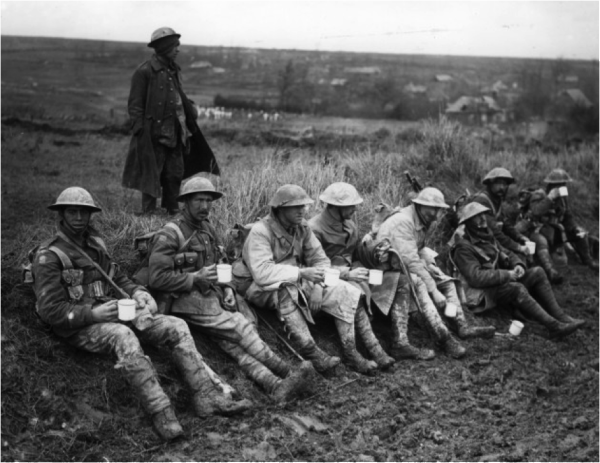
To aid morale and keep soldiers energised during WWII, the YMCA sent more than 25,000 volunteers to set up comfort stations all along the battlefront. The stations were always stocked with magazines, cigarettes and snacks, along with piping-hot pots of cocoa, they were called the red triangle men in reference to the YMCA’s logo.
Until recently a posh hot chocolate used to just mean adding marshmallows and whipped cream, but these days it is all about the cocoa percentage as retailers selling luxury single-origin drinks set out to conquer the high street.The fast-growing brand Knoops sells more than 20 different types of hot chocolate in its shops ranked by strength, from a sweet and creamy 28% white all the way up to an intense 100% extra dark. To navigate a menu that looks like a periodic table, each drink has tasting notes. Expect “notes of cherries and black tea” from the 70% single-origin chocolate from Congo while the 80%, from Uganda, is “earthy with a subtle smokiness”. Single origin refers to the fact the beans used to create it come from one source., yep hot chocolate drinking is now a science!
Knoop, who is originally from Germany, opened his first store in Rye, East Sussex, in 2013. Since then he has spent years perfecting its drinks by combining different percentage cocoas with different milks, including plant milks, as well as fruits, roots and spices. The adventurous, already familiar with chocolate strengths from sophisticated supermarket ranges, can go further still: picking from a list of 20 extras that includes Szechuan pepper, star anise, turmeric and rosemary, plus at 54% and above the drinks are suitable for vegans.

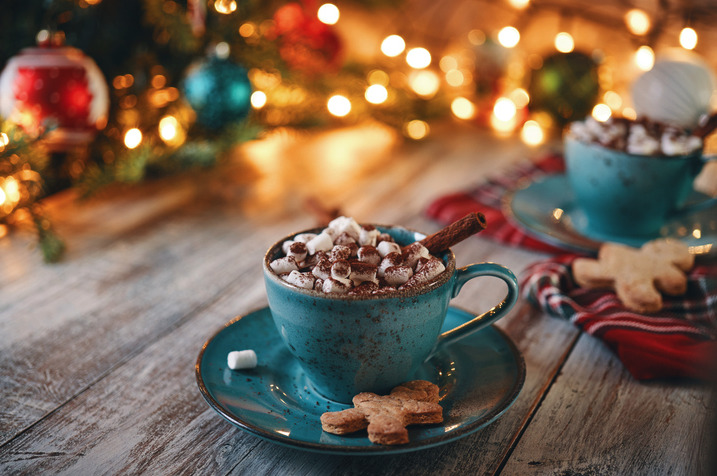
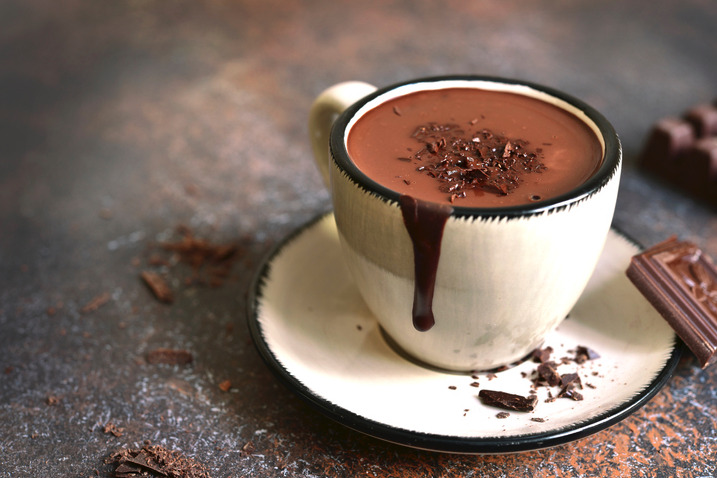
The market leader, Hotel Chocolat, which has blazed the trail on the high street with its posh chocolate, says it has now sold “hundreds of thousands” of its velvitiser machine. Fans can take out a monthly subscription for its hot chocolate flakes which come in exotic flavours such as black forest gateau and Mayan chilli and cinnamon. Angus Thirwell, the Hotel Chocolat chief executive, says the only hot chocolate available used to be terrible – basically a “sugar-based powder that looked brown”. “You put a couple of teaspoons of that into a cup, poured on some boiling water and created what passed as hot chocolate for many decades in the UK. “Once people taste what can be possible, it’s synonymous with the journey from instant coffee to drinking proper coffee. It’s getting back to that authentic taste of the beans, and it applies as much to the cacao bean as it does to the coffee bean.”Knoops, which also sells its hot chocolate flakes on its website, was also a lockdown hit. “When people couldn’t go into the shops they bought our flakes and the chocolate makers to recreate the experience at home,” said Knoop. With a growing fanbase, the small chain plans to open 10 more UK stores in the next 12 months.